- Home page
- Top experiences
- Culture and Heritage
- Gipuzkoa, an incredible privileged destination in the south of the Basque Country
- Culture and Heritage
- Top experiences
Gipuzkoa, an incredible privileged destination in the south of the Basque Country
Cross the border and stay close to the coast to discover a rich and varied region of beaches, authentic villages, mountains, and vegetation as far as the eye can see—a mosaic of landscapes that will leave you breathless. In the south of the Basque Country, on the Spanish side, Gipuzkoa invites you to discover an exceptional region and its many secrets. Get ready to stay there! Gipuzkoa is known for being an incredibly popular destination.
Bidasoa-Txingudi, a getaway between sea and mountains in Gipuzkoa
The Bidasoa-Txingudi Bay on the border with the south of the Basque Country is a magnificent place to visit with its Roman and medieval remains, its early 20th-century architecture and the Basque Art Nouveau that can also be found in the municipalities of Hondarribia and Irun.
Hondarribia
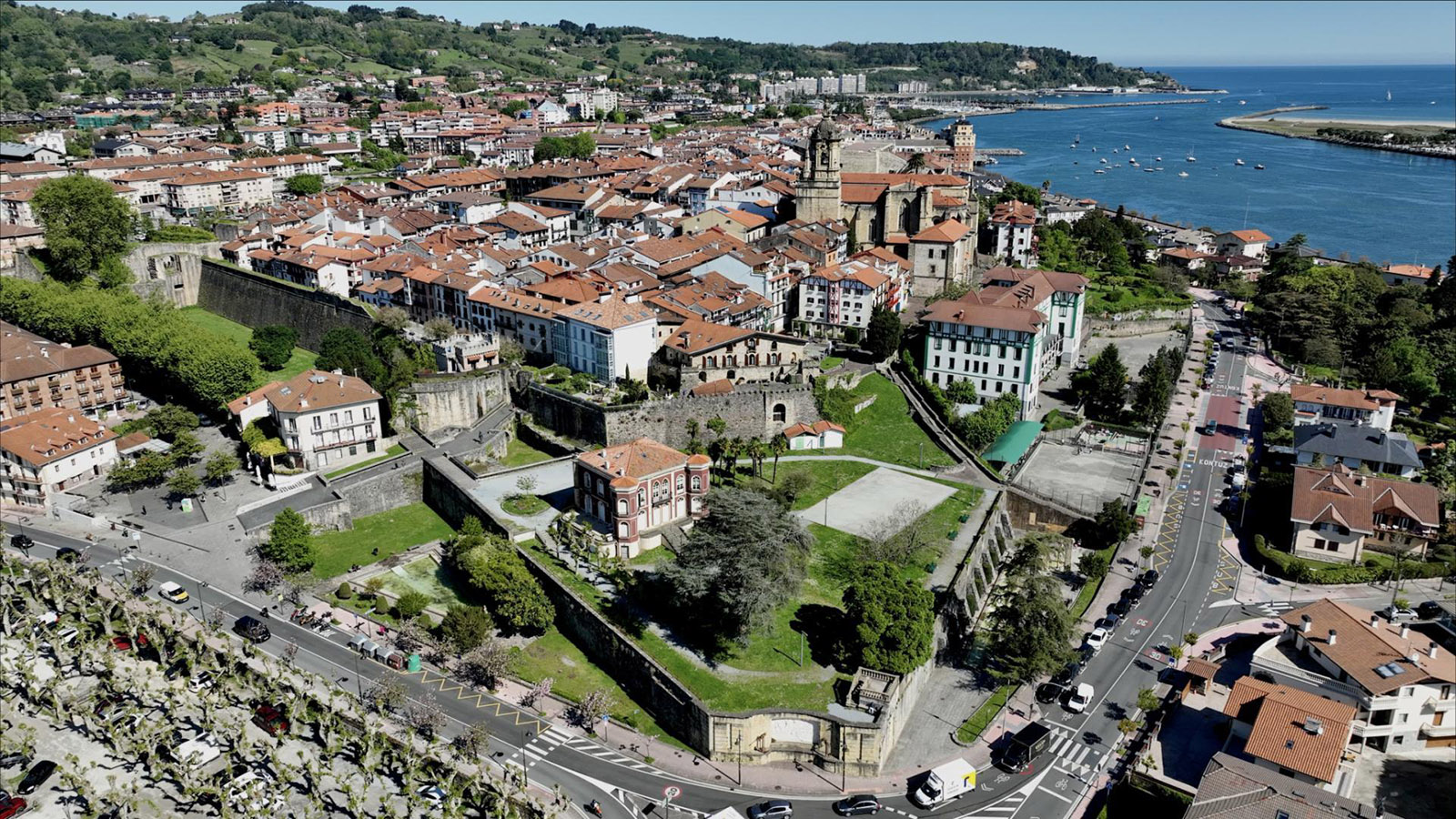
The city is magnificent, nestled between Mount Jaizkibel and the waters of the Cantabrian Sea. This geographical location attracts lovers of stone, hiking, and relaxation, especially during the holidays, when the city is very popular. Stroll through the old fortified center, walk the cobbled streets, and stop by the Marina district to admire the pretty, colorful fishermen's houses. Endowed with historical treasures such as the castle of Emperor Charles V, Hondarribia is a privileged city that offers a breathtaking view of Txingudi Bay.
Information : Surfing and sailing are popular activities in Hondarribia.
Irun
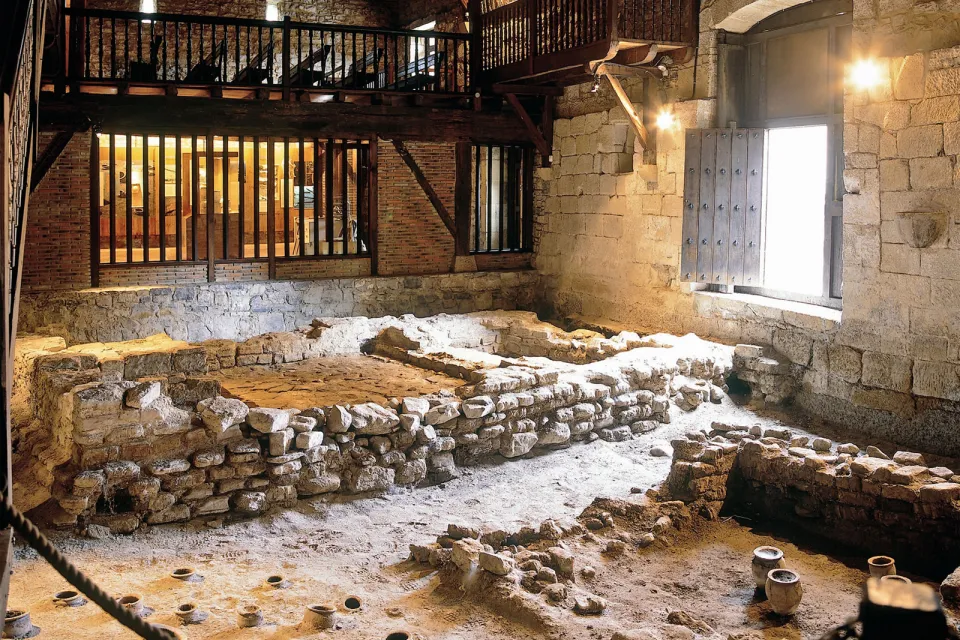
Just a few minutes south of Hondarribia lies Irún, a cross-border city that has witnessed numerous epic battles. Still standing and rebuilt several times, this extraordinary city boasts unique architecture and incredible historical heritage. After a tour of the city in the footsteps of the Romans, especially at the Oiasso Museum, which will immerse you in the Roman past of the city and the region, as well as the remains of its Roman baths, immerse yourself in the heart of nature with the Plaiaundi Ecological Park, the Aiako Harria Natural Park, Mount Jaizkibel and the Txingudi marshes surrounding Irún, a privileged setting for getaways and hiking.
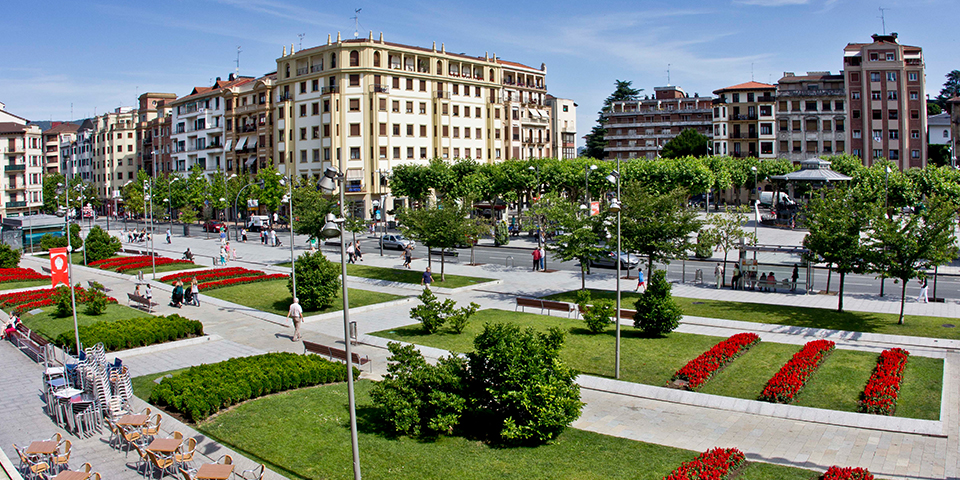
Oiasso Museum - Irun
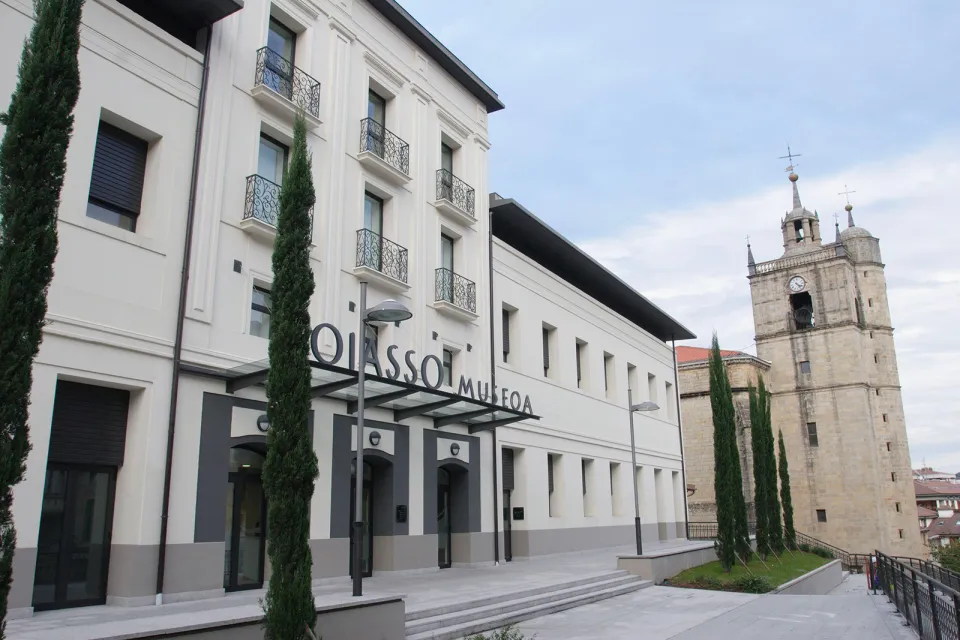
Travel back to ancient Rome at the Oiasso Museum in Irún
282 m
Church of Santa María del Juncal in Irun
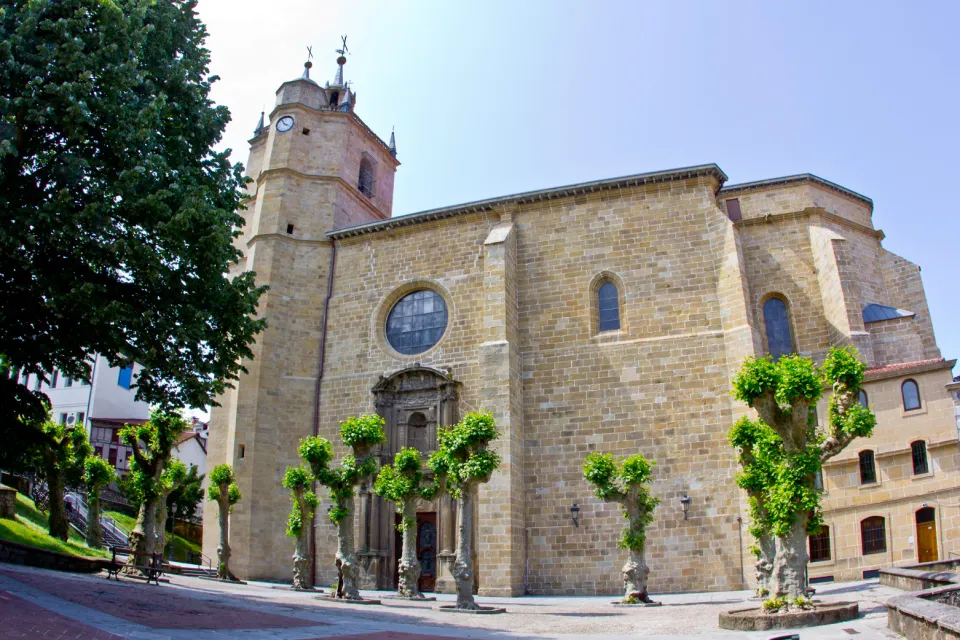
Abbeys, Churches, Monasteries, Priories in Haux
300 m
Hermitage of Ama Xantalen
Abbeys, Churches, Monasteries, Priories in Irún
760 m
Oarsoaldea, cradle of Basque maritime heritage in Gipuzkoa
This northeastern region of Gipuzkoa is sublime for its contrasts and diversity, between its beautiful villages (Errenteria, Lezo, Oiartzun, and Pasaia) and its natural sea and mountain landscape. Located between Pasaia Bay and the Aiako Harria Natural Park, it is a favorite destination for nature, culture, sports, and hiking lovers.
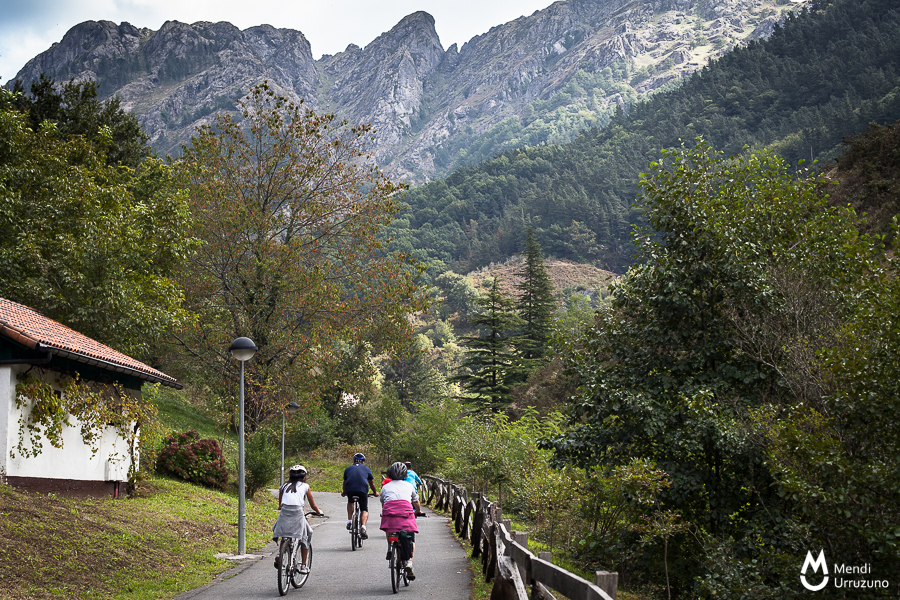
Errenteria
Once known as "Little Manchester", it is now a vibrant cultural center. Its medieval historic center boasts gems like the Jantziaren Zentroa, a museum that offers insight into the history of fashion through the centuries, and the Molino de Fanderia, a testament to the evolution of the municipality's industry.
On the outskirts, at the top of Mount Bizarain, lies the Fort of San Marcos, offering stunning views of the entire Gipuzkoa coast.
Lezo
Time seems to stand still in Lezo, a small town on the shores of Pasaia Bay. Its historic center, with its emblazoned houses and a
With a peaceful atmosphere, it's a true gem waiting to be discovered. It's home to the Plaza del Santo Cristo, a place from which narrow streets steeped in centuries of history branch out. The church of the same name stands out, home to one of Europe's few beardless Christs. And for those following the Coastal Way of St. James, Lezo is a must-see, with its heritage and hospitality as its main attractions.
Oiartzun
Nature is omnipresent in Oiartzun, a beautiful village nestled in a mountainous area in northeast Gipuzkoa. Crossed by the Oiartzun River, from which it takes its name, it is also part of the Aiako Harria Natural Park, home to the only granite massif in the Basque Country. Take a hiking route to visit some of the area's megalithic monuments before returning to the heart of the village to explore its historic center.
Pasaia
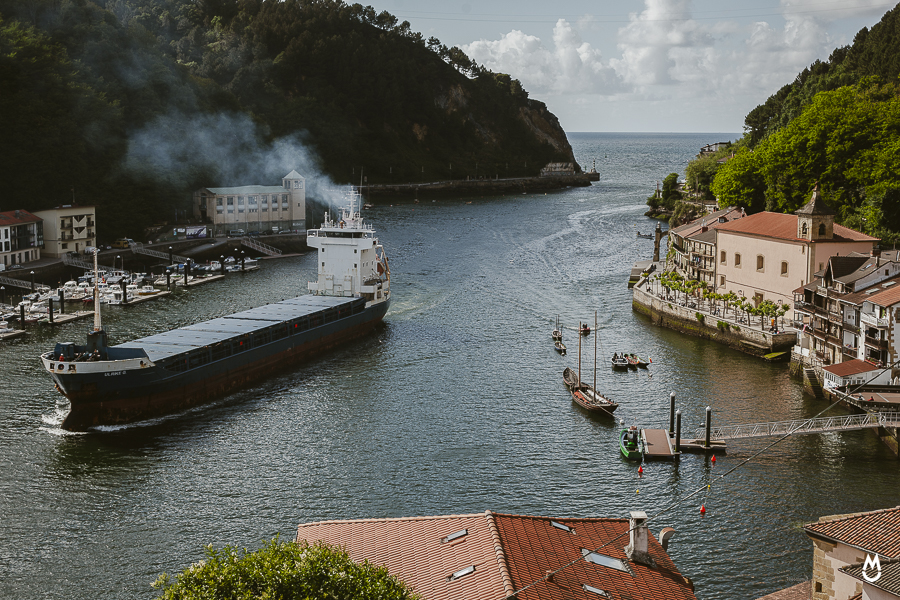
At the mouth of the Oiartzun River and protected by the cliffs of the Jaizkibel and Ulia mountains, Pasaia Bay is one of the best-kept treasures of the Basque coast. This natural bay is not only a place of great beauty, but also the epicenter of Basque maritime heritage, steeped in history and tradition.
Known for being the most important commercial port in Gipuzkoa, it is divided into four districts: Donibane, San Pedro, Antxo, and Trintxerpe, each with its own personality and charm. The first two, with their well-preserved historic centers, seem straight out of another era, with cobbled streets, colorful houses, and balconies overlooking the sea.
Pasai Donibane and San Pedro
Located on both sides of the bay, facing each other, strolling through its streets crossed by bridge-houses allows you to soak up seafaring traditions and enjoy unforgettable views.
Donostialdea, the pleasure of the Txot tradition in Gipuzkoa
Although this region is full of natural wonders to discover, including megalithic and prehistoric remains, it's famous for its respect for Basque traditions when tasting new cider. Conviviality, sharing, and good humor are the norm every year between January and April. Head to Donostialdea without delay to shout "Txot" in the Basque cider houses.
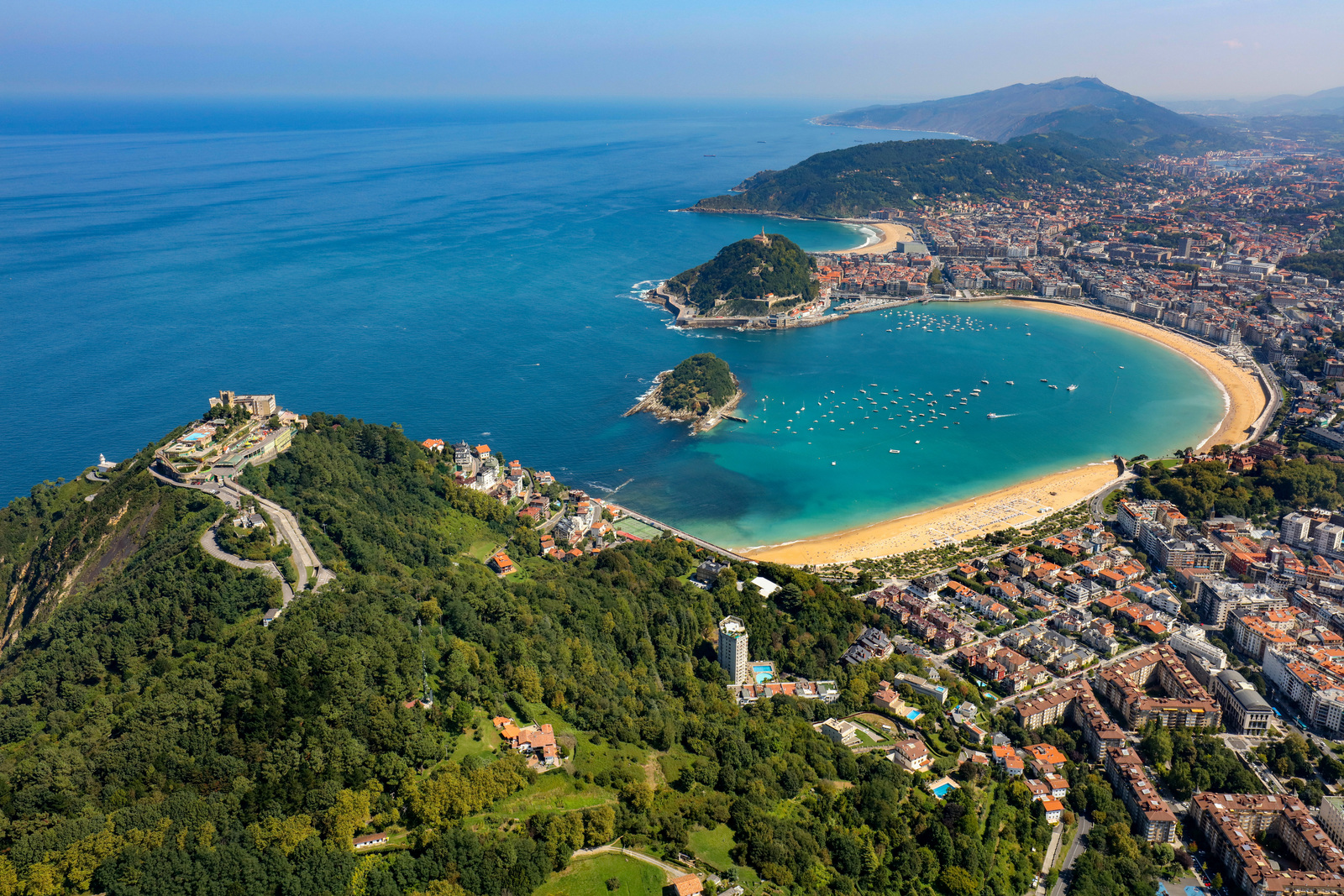
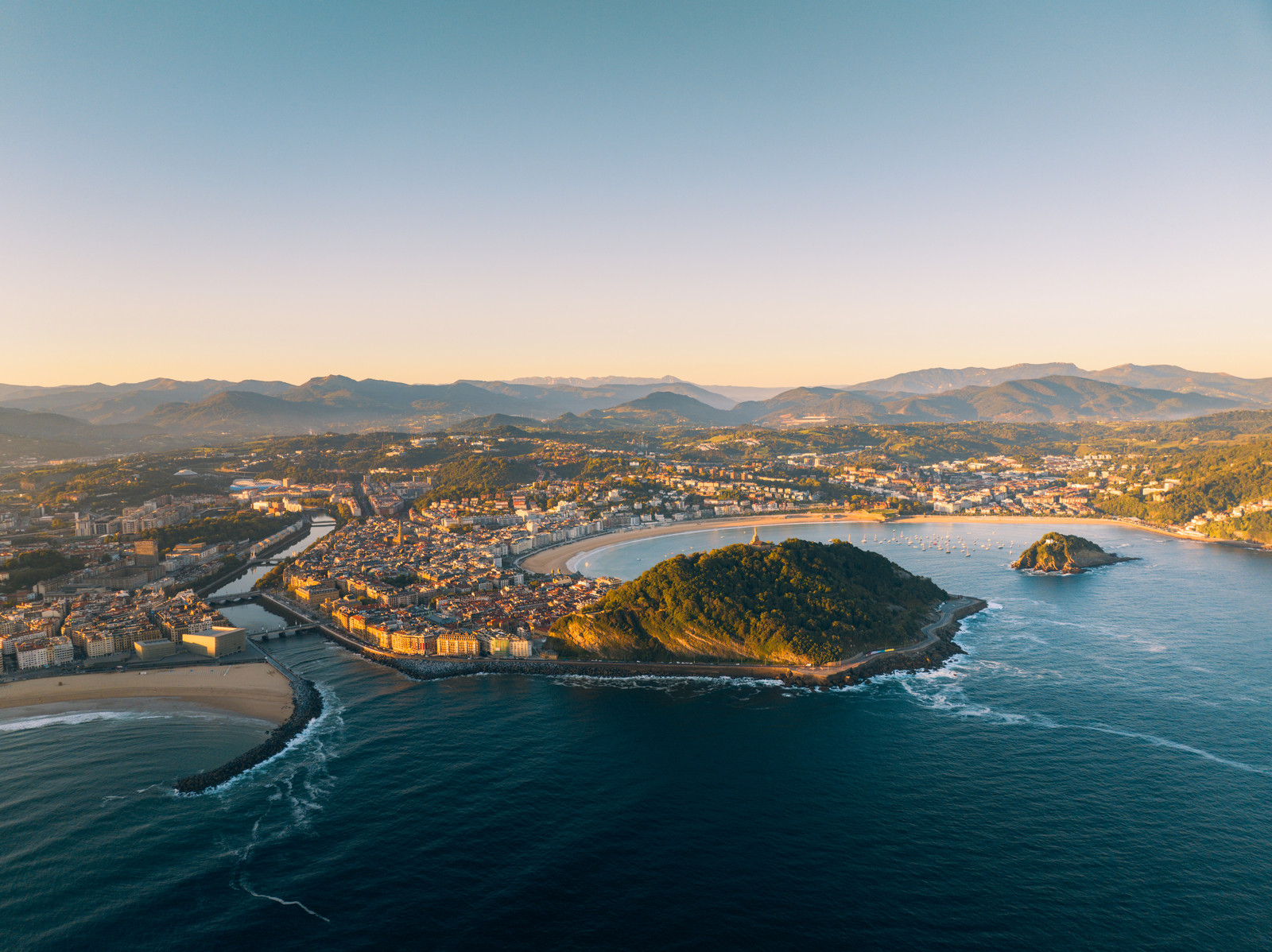
Donostia/San Sebastián, the world capital of gastronomy and tapas, attracts numerous food lovers every year who delight in its culinary treasures year-round. Michelin-starred restaurants, lively markets brimming with fresh, local produce, sunny terraces, cider houses bustling with the txot season, or bars famous for their pintxos and txakolis (white wine with a DO): there are options for all tastes and budgets ! From gildas to refined tapas, they will delight your palate.
After the wine tasting, it's time to explore this magnificent city, which transforms into a film set every September with the Great Stars International Film Festival. La Concha beach is popular for swimming and strolling, while the urban beaches of La Zurriola and Ondarreta are popular with surfers and art lovers.
Don't forget to take a city tour to discover the Victoria Eugenia Theatre , the Marie Cristina Hotel or the La Perla Spa.
Kosta Berdea: between the sea and the mountains
Between the blue of the Cantabrian Sea and the serenity of the mountains, the Kosta Berdea region is a perfect showcase of the natural and cultural wealth of the Basque Country.
- Orio, an old fishing port, retains all its seafaring charm.
- Zarautz vibrates with its long beach and lively atmosphere.
- Aia rises among the hills of the Pagoeta Natural Park.
- Getaria, land of grills and birthplace of txakoli.
- Zumaia, with its majestic cliffs and its UNESCO-recognized Geopark.
Hiking enthusiasts will enjoy coastal trails with stunning views of the Atlantic. Those seeking history and authenticity will find churches, museums, traditional farmhouses, and a maritime heritage that speaks to centuries of life by the sea.
Gastronomy, of course, takes center stage: outdoor grills, creative pintxos, and lovingly prepared local produce. Here, you can savor the soul of the Basque Country, halfway between land and sea.

Orio
Located at the mouth of a river, between gentle green hills and the Cantabrian Sea, Orio captivates with its authenticity. Its old town, with its narrow streets, reflects a rich seafaring past. It's also the capital of rowing, with its traditional rowing regattas that fill the summer with excitement. At the table, grilled sea bream "Orio Style" is its most iconic dish.
Zarautz
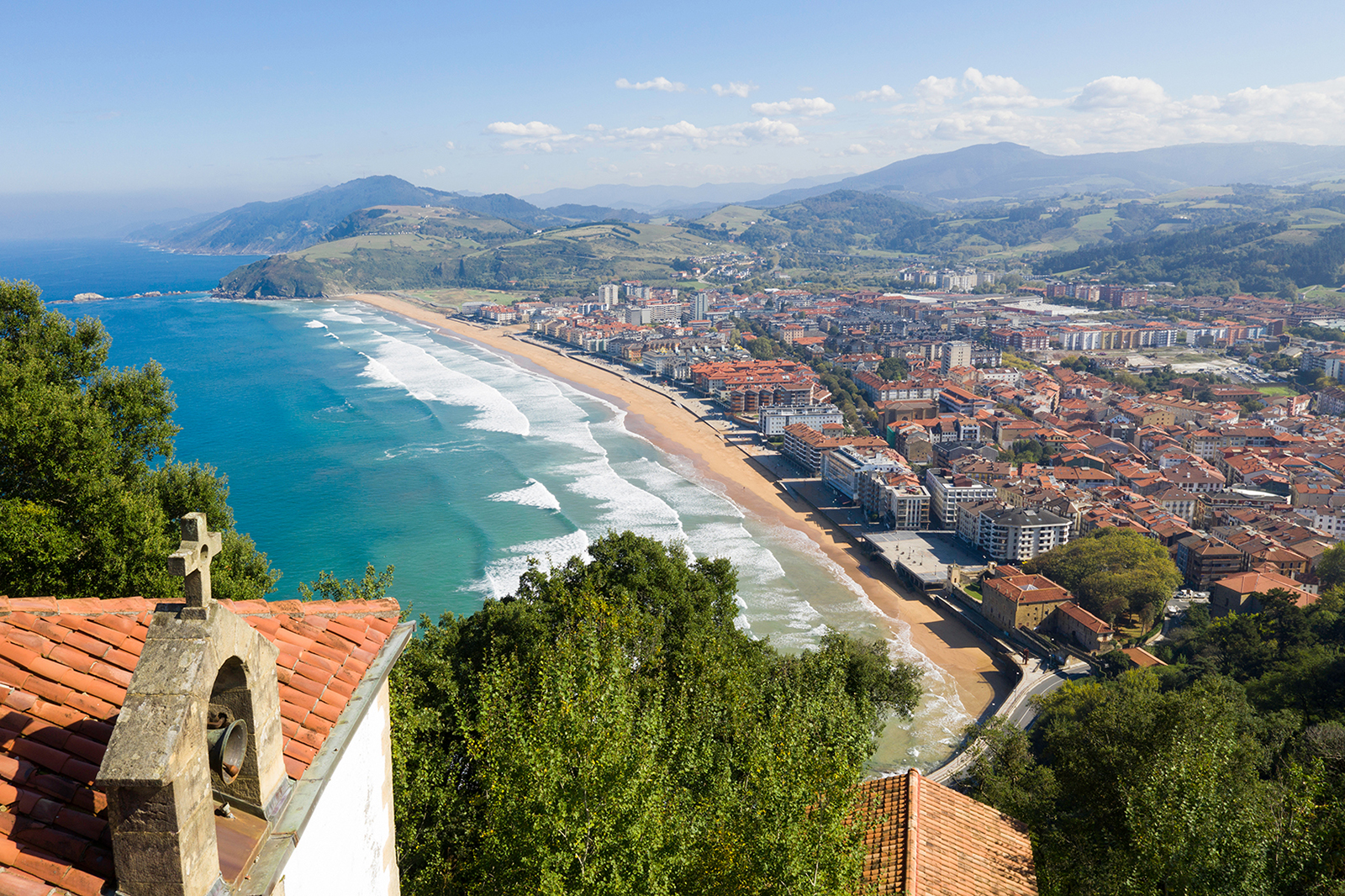
Zarautz captivates with its vibrant atmosphere, lively streets, and local businesses. The market offers local produce, and its beach —the longest in the Basque Country —is a paradise for surfers and swimmers. Art is present in museums and sculptures throughout the municipality. Gastronomy shines with pintxos, contemporary cuisine, and grills. Popular festivals and a family-friendly lifestyle make Zarautz a must-see.
Getaria
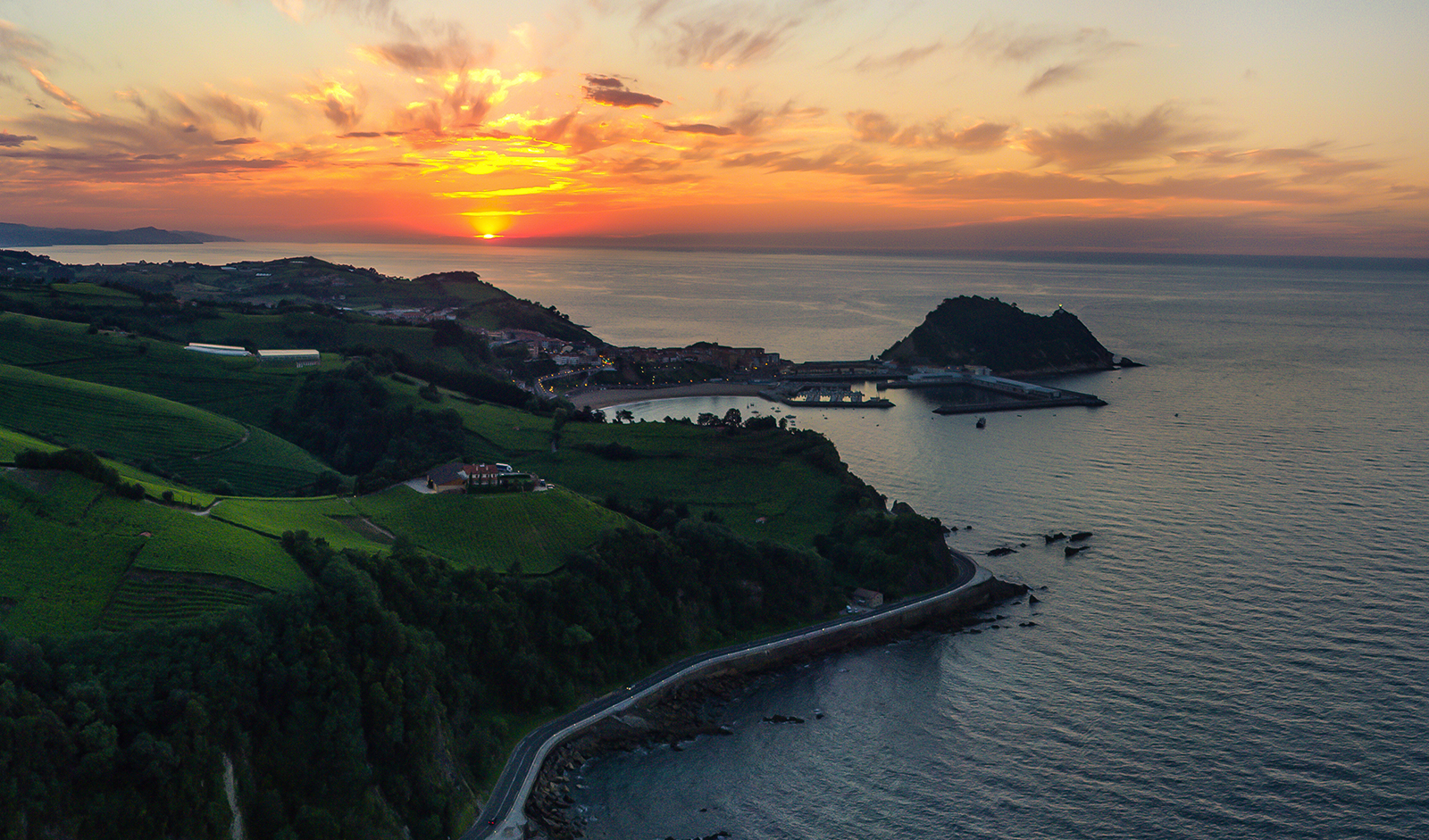
Getaria is a picturesque fishing port where the aroma of grilled meats fills its narrow streets. Illustrious figures such as Juan Sebastián Elcano and designer Cristóbal Balenciaga were born here. Surrounded by txakoli vineyards, the landscape combines sea and mountains in an unforgettable picture. An ideal destination for those who enjoy history, fine dining, and seaside traditions.
Zumaia

Zumaia captivates with its lively old town , marina , and spectacular beaches. Perfect for nature lovers or a relaxing boat trip. Its most valuable asset is the Basque Coast Geopark, declared by UNESCO : a geological paradise that narrates millions of years of Earth's history between cliffs, sea, and sky.
Aia
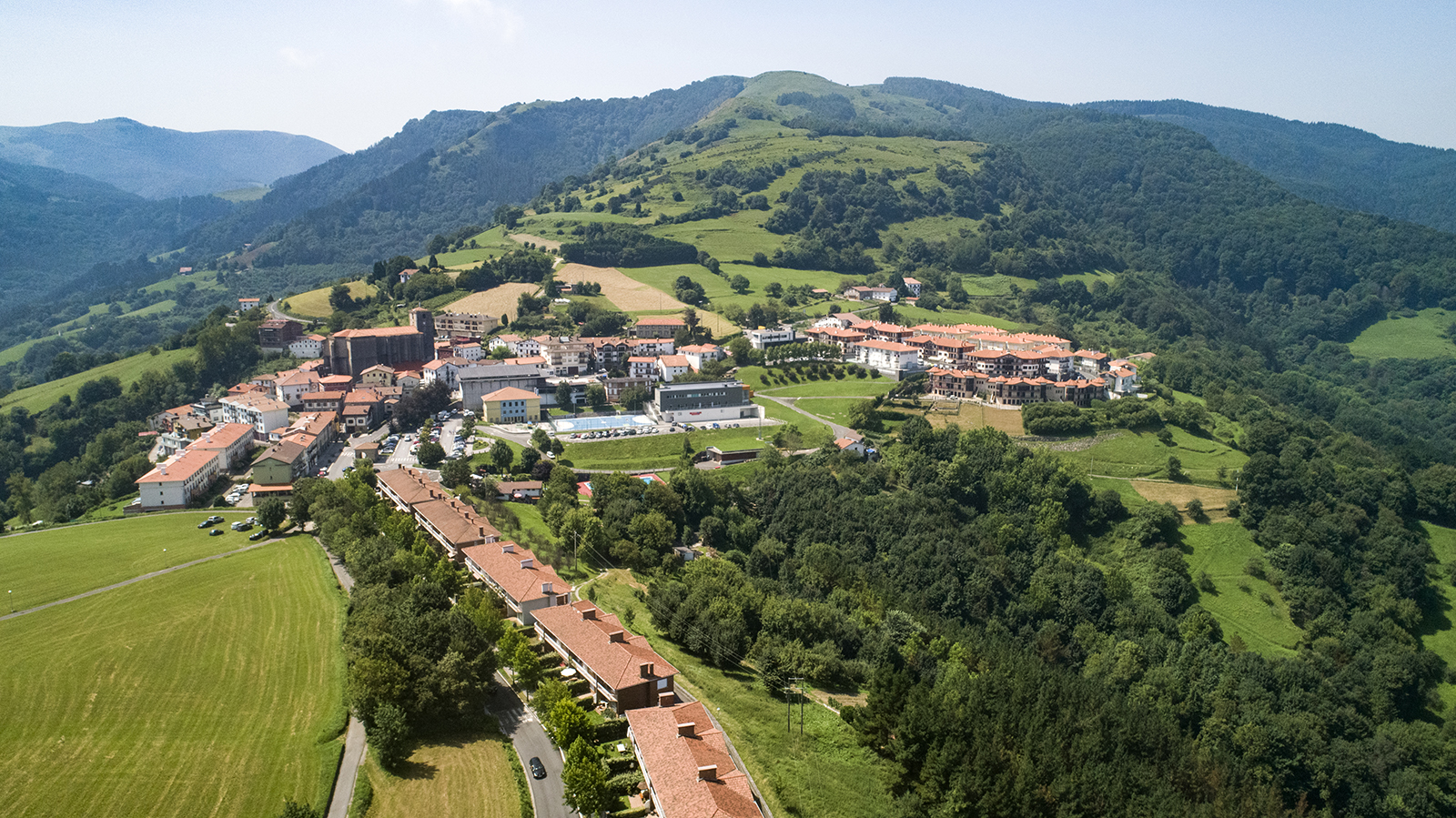
Aia embodies the rural essence of Kosta Berdea. Located between the sea and the mountains, this charming village has successfully preserved its traditional architecture. It is the gateway to the Pagoeta Natural Park, a true green paradise for hikers. Surrounded by Basque farmhouses and quiet paths, Aia invites you to discover a simple way of life, in deep harmony with nature and the cultural roots of the region.
THE UNKNOWN WONDER OF GIPUZKOA, DEBABARRENA
The discovery of the region culminates with a visit to Debabarrena, where geology, history and landscapes shine between the sea and the mountains.
Its natural jewels are enhanced in the Basque Coast Geopark, a small territory nestled between the Cantabrian Sea and the Basque mountains that preserves the history of some of the most impressive episodes on earth.
MUTRIKU- Watchtower of the Sea of the Basques
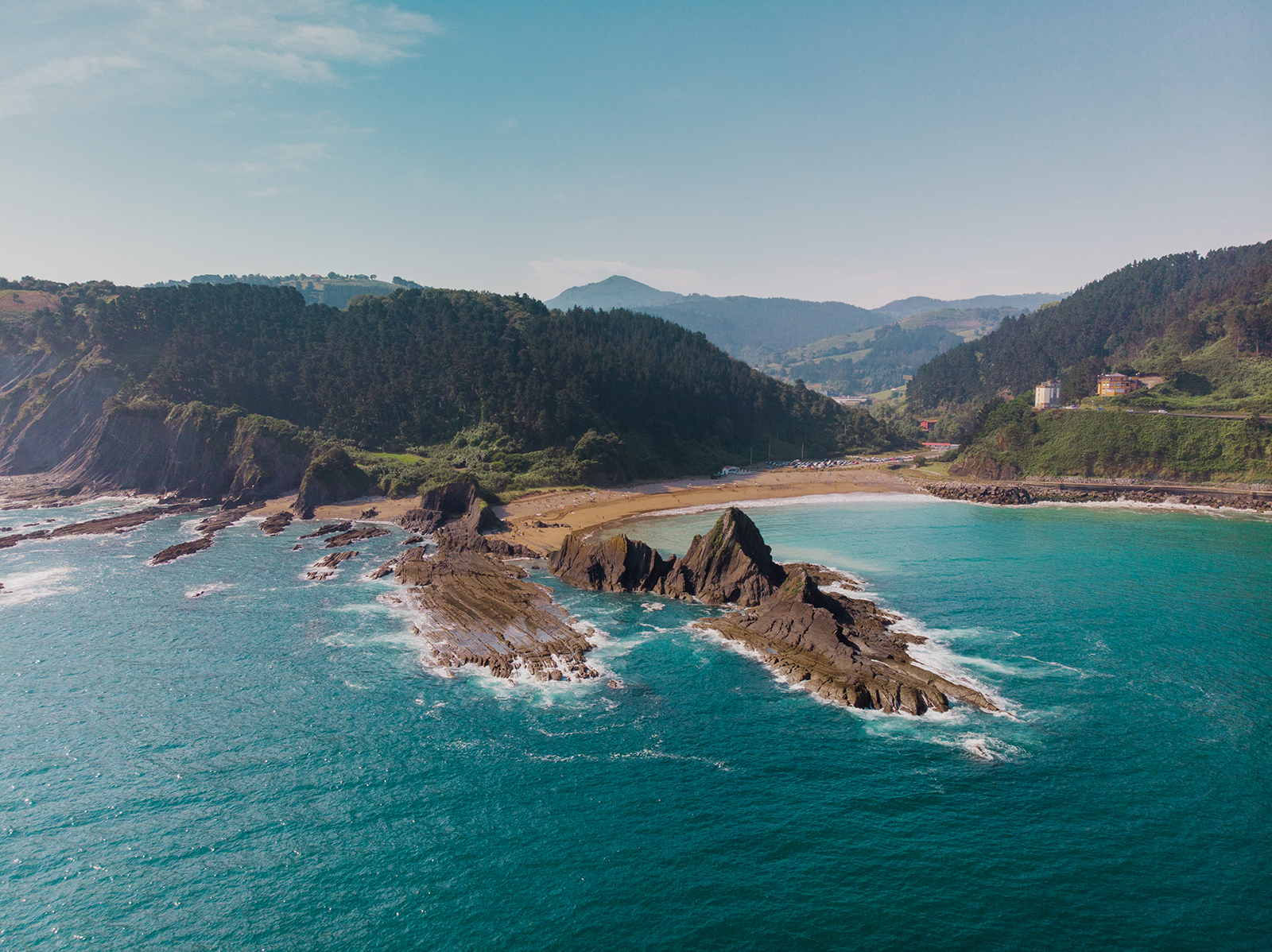
This charming 13th-century fishing village boasts one of the best-preserved historic centers on our coast. Explore its narrow, cobbled streets before discovering one of the oldest ports in the Cantabrian Sea, and soak up the seafaring character of this charming village. Visit its natural pools to...
After a well-deserved rest in its natural pools, discover the black Flysch cliffs, which contain ammonites dating back more than 100 million years.
DEBA - Beaches, nature and ancient secrets
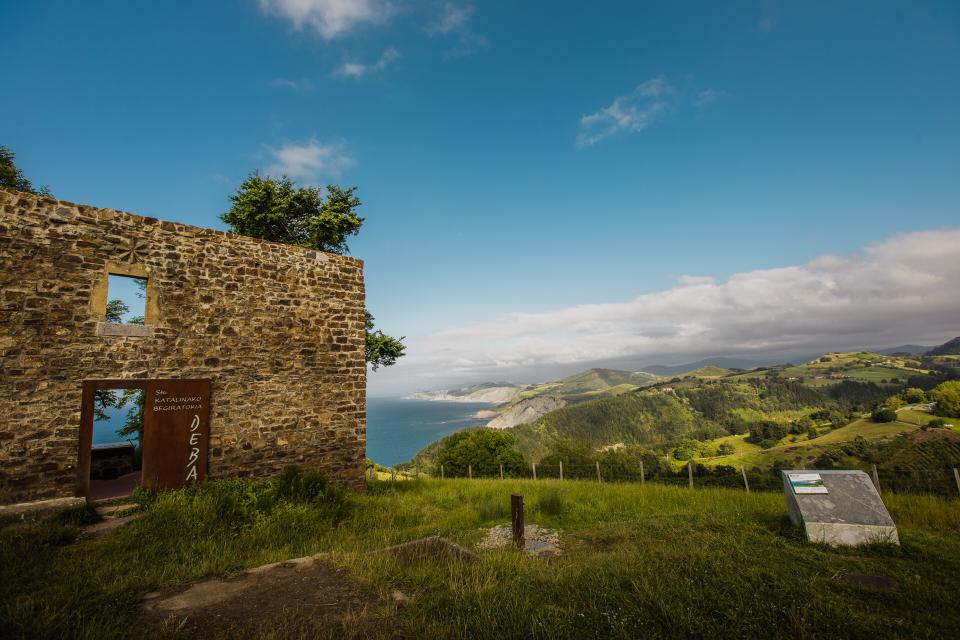
Deba's relationship with water and the sea has been a constant throughout history. In addition to the beaches of Santiago and Lapari, its rugged coastline boasts impressive cliffs formed by the renowned black flysch of the Basque Coast Geopark.
Deba is also a destination rich in archaeological heritage, with caves such as Ekain and Ermittia and trails that run along the coast and valleys that allow hikers to discover surprising landscapes.
Information: The Church of Santa Maria de Deba, a true jewel of Basque Gothic architecture.
Sponsored article
our favourite
Prestaart Gallery Biarritz
in Biarritz
Top experiences
Discover Biarritz: The top 10 must-see tourist activities