
- Home page
- Top experiences
- Rest and relaxation
- A trip through the time in ascain
- Rest and relaxation
- Top experiences
A trip through the time in ascain
When you are strolling in the lovely villages on the edge of the mountains, stop in a place that offers beautiful colours and a memorable visit: The weaver workshop and the Lartigue 1910 shop are a must-see if you like the Basque products; if you want to bring back a small souvenir or simply for your own information.
An ancestral craft
The Maison Lartigue 1910 is one of the last 3 houses of weavers of the region. Here, it is an ancestral craft and Basque linen is taken very seriously. Because many brands offer fabrics with local colours and patterns, but real Basque linen is only produced and woven in a small geographical area. Not all linen is Basque linen!
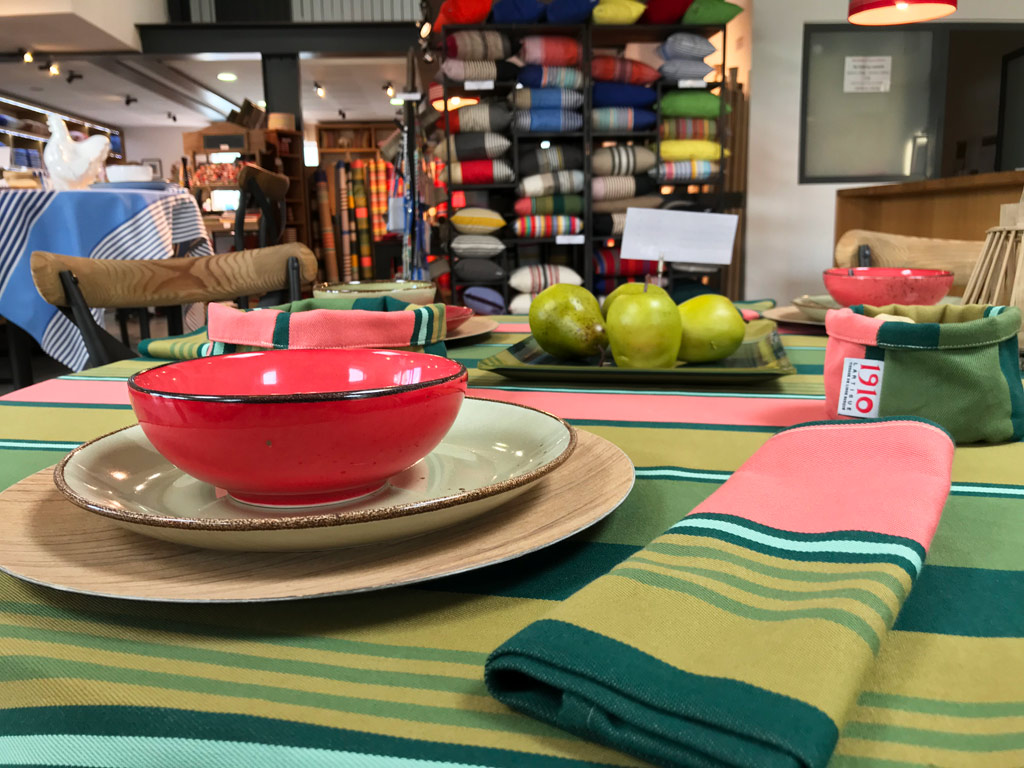
In the beginning, linen was robust, it was produced by the farmers, who then harvested the flax, dyed it and wove it themselves (they did not have internet during the evenings ;) ). In the beginning, everything was linen colour (natural, a creamy colour), these fabrics were used to protect the animal from mosquitoes and other gadflies. With time, the weaving techniques got better, the end result was softer, thinner and delicate, the linen took its place in interior design!
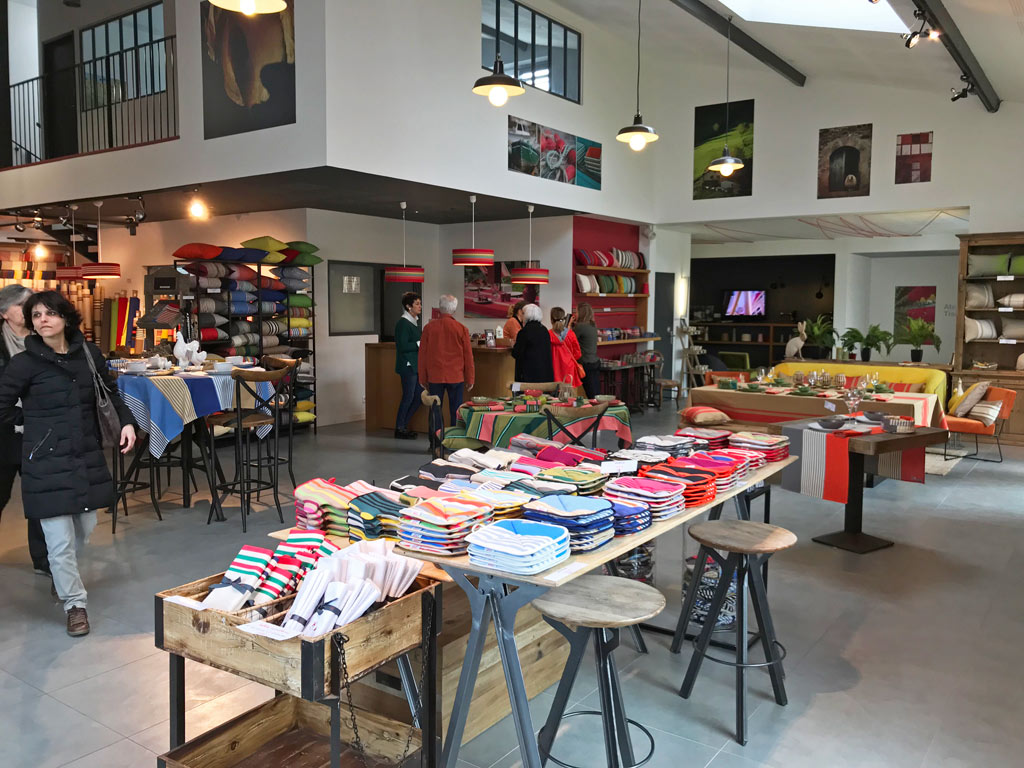
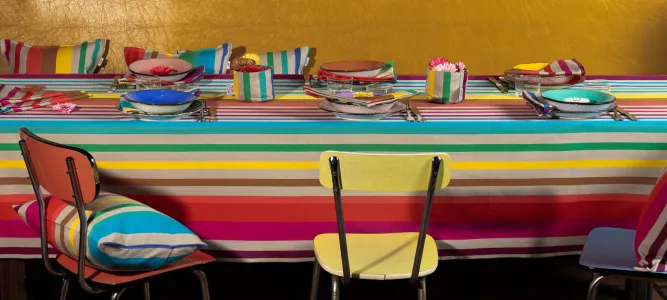
The Basque linen is traditionally decorated by 7 stripes of colours, which represent the 7 Basque Provinces. Today we do various designs, each vary these original designs in different ways with more or less modernity. The shimmering colours are of natural origins and did you notice they echo thecolours of the houses?
Did you know (a small colourful bracket) that initially, the half-timbered houses were painted green for the arable farmers and the sharecroppers, red for the livestock farmers, blue for the fishermen and grey for the religious buildings. These colours are today part of the Basque Country heritage and people do not paint what they want where they want!
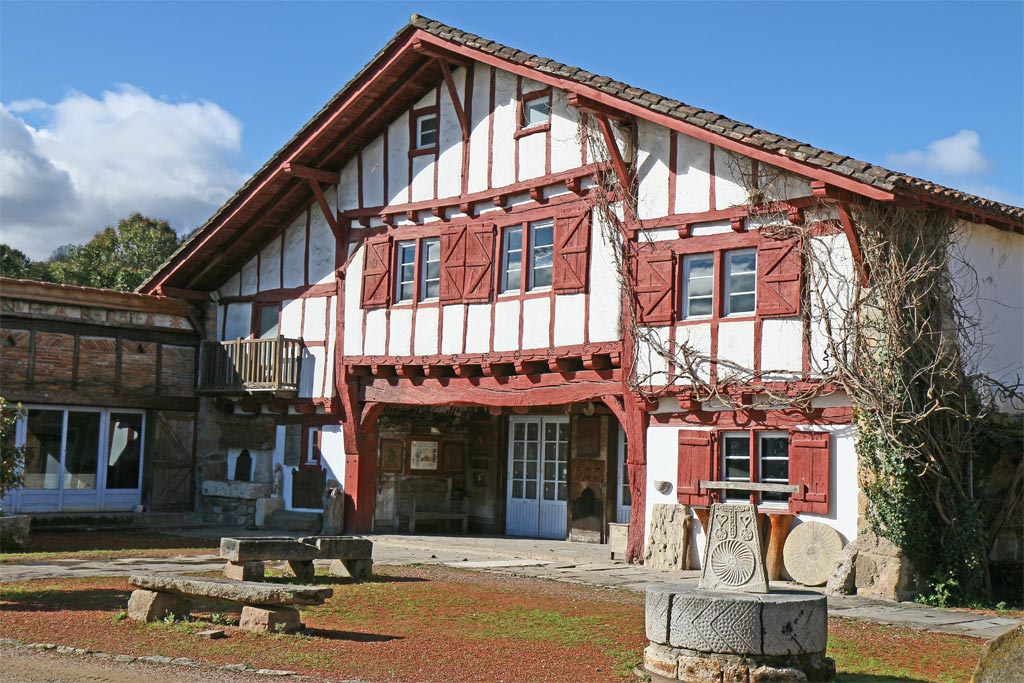
Visit the workshop and factory shop!
To induct yourself as a Basque Linen user, it helps to understand the manner in which it is made. To do that, go to Ascain, to the Lartigue 1910 weaving and garment workshop and shop.
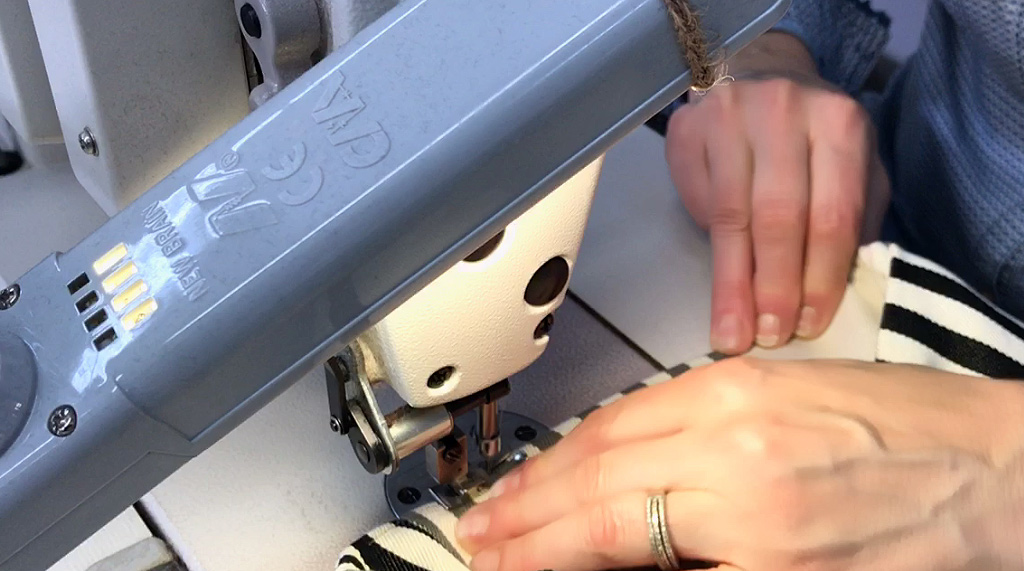
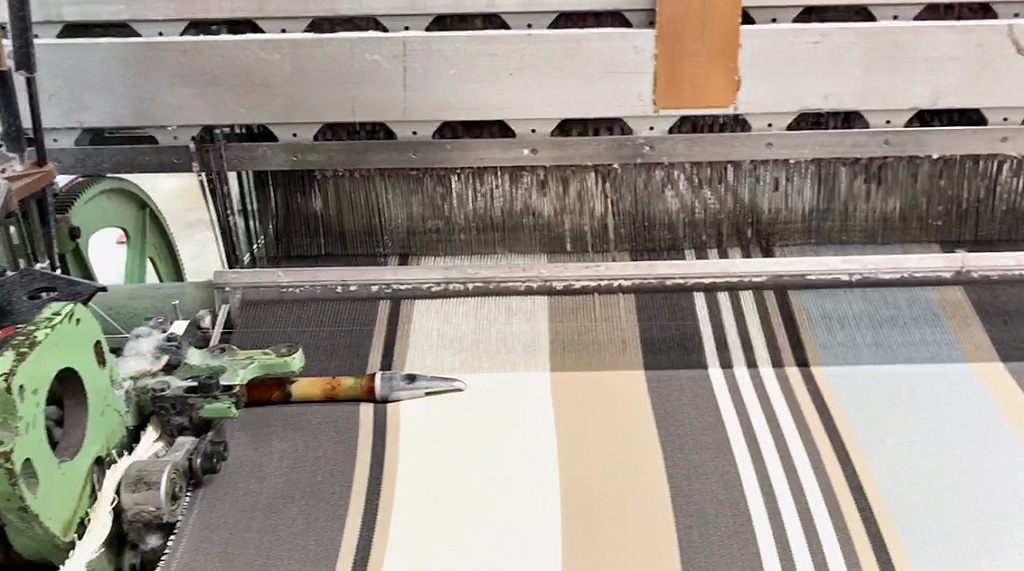
We start the visit with a video, then a guide takes you into the heart of making of this precious textile. The machines are big! Impressive and noisy! Personally, I really liked the explanations of the guide who showed me how the machine works in a slow motion, before launching it full speed!! You can see the fabrics being made before your eyes, it is magical!

The flax yarns, were slowly replaced by cotton yarn, more practical and modern. Here, the fabric items are cut and made on site, before your eyes (look at the video) and it is in the shop that you can find them. Get yourself a quality trousseau, bring a bit of the Basque Country at home, it is an ideal place.
Further information
• Discover Lartigue 1910 on the Guide du Pays Basque
• And take the opportunity to visit Ascain, a lovely small town where you can do a small
tour by train to climb at the top of the Rhune! (Read our article)
To follow our news and adventures, click to visit our page Facebook and register!
Sponsored article
You will also like
Woody Van : Rent a van in the Basque Country

La Rhune and its Little Train

4,9 km
The Basque Cake Museum

4,9 km
Sokoa Piscine & Spa, the swimming pool specialist 10 minutes from Saint-Jean-de-Luz
5,8 km
Bizipoz, a unique and unmissable lifestyle experience to enjoy on the Basque coast
5,8 km
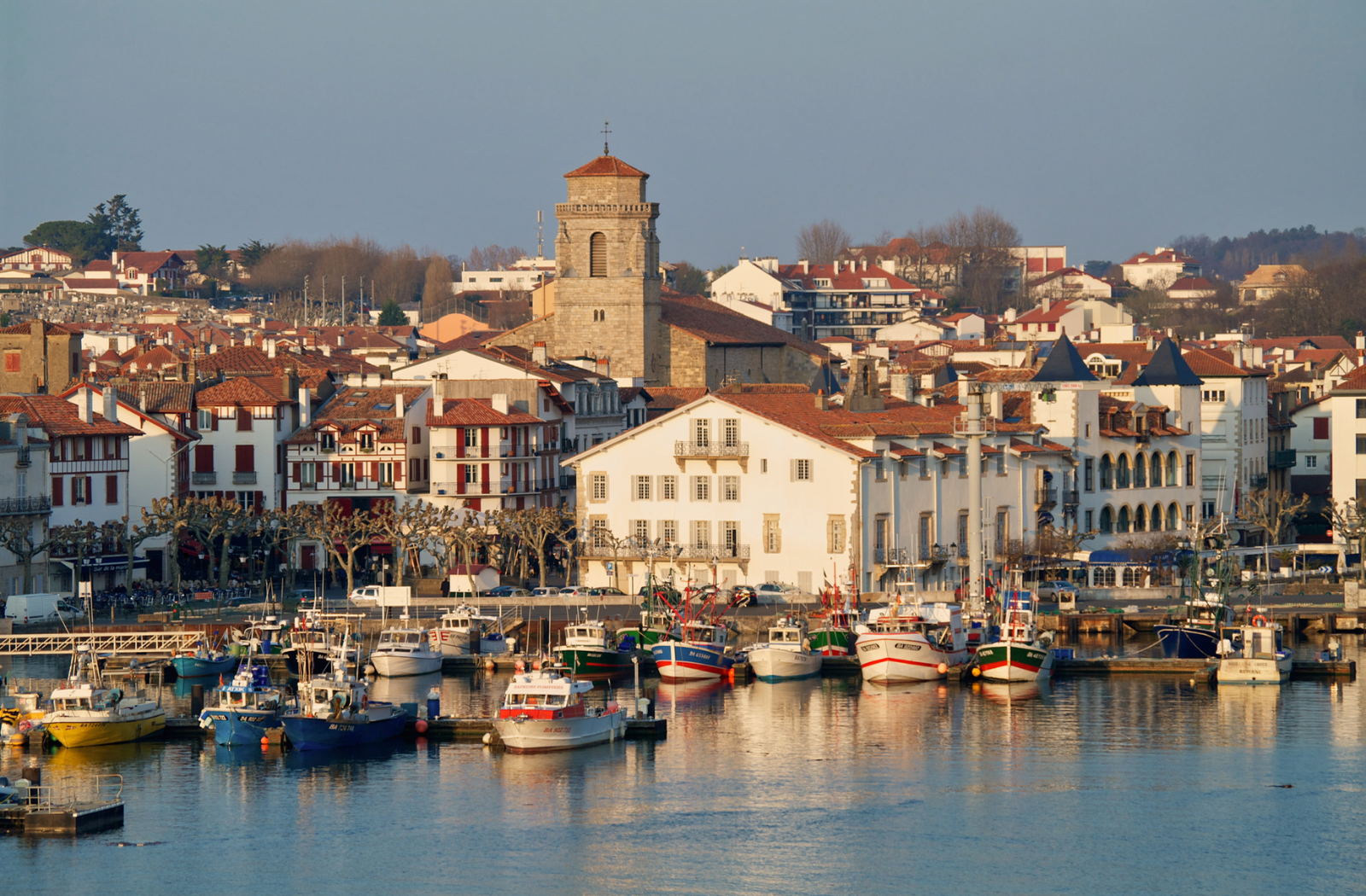
Saint-Jean-de-Luz, guided tour of a village on the Basque coast
5,8 km
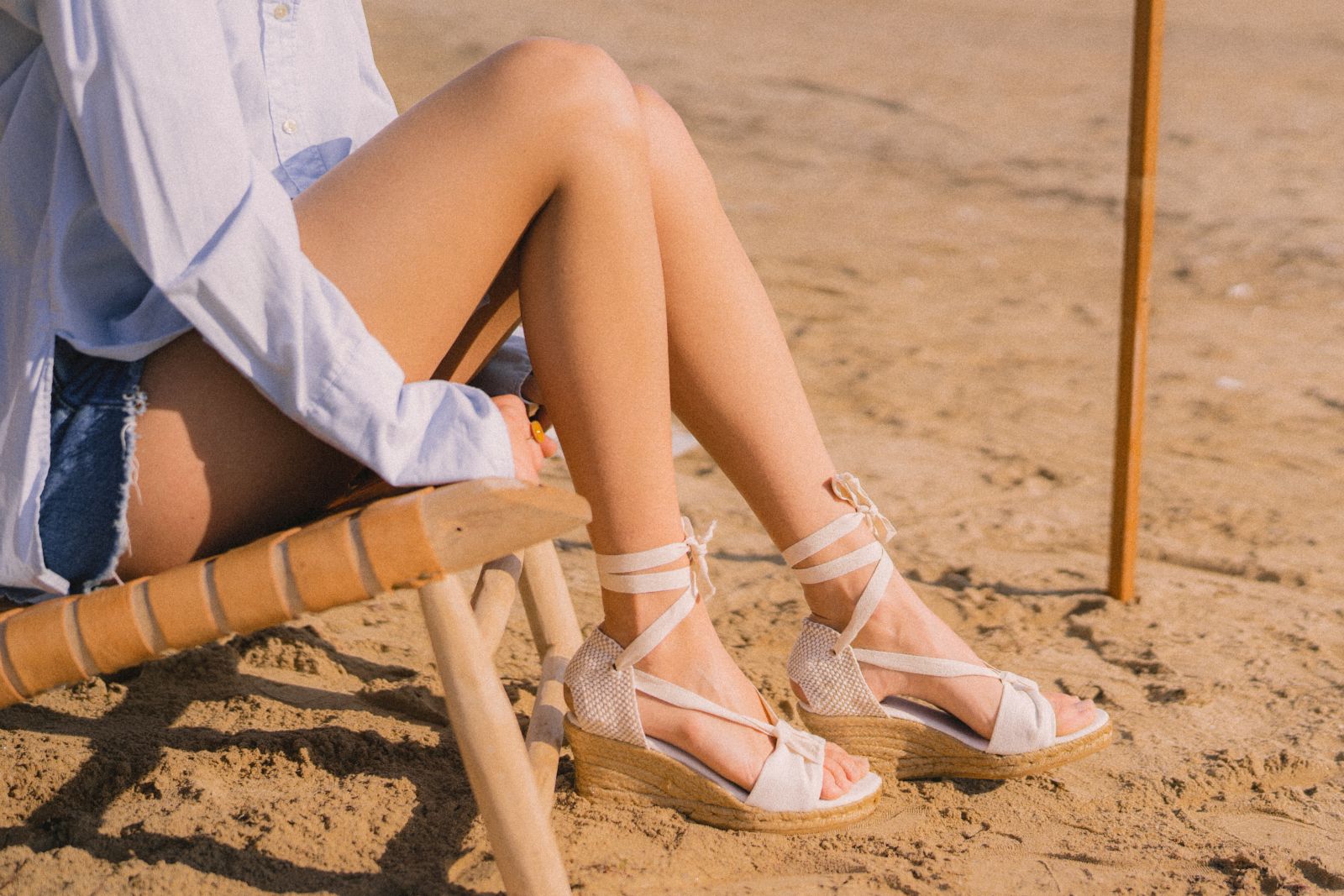
Espadrilles in the Basque Country by Nicole Pariès: tradition in the service of elegance
5,8 km
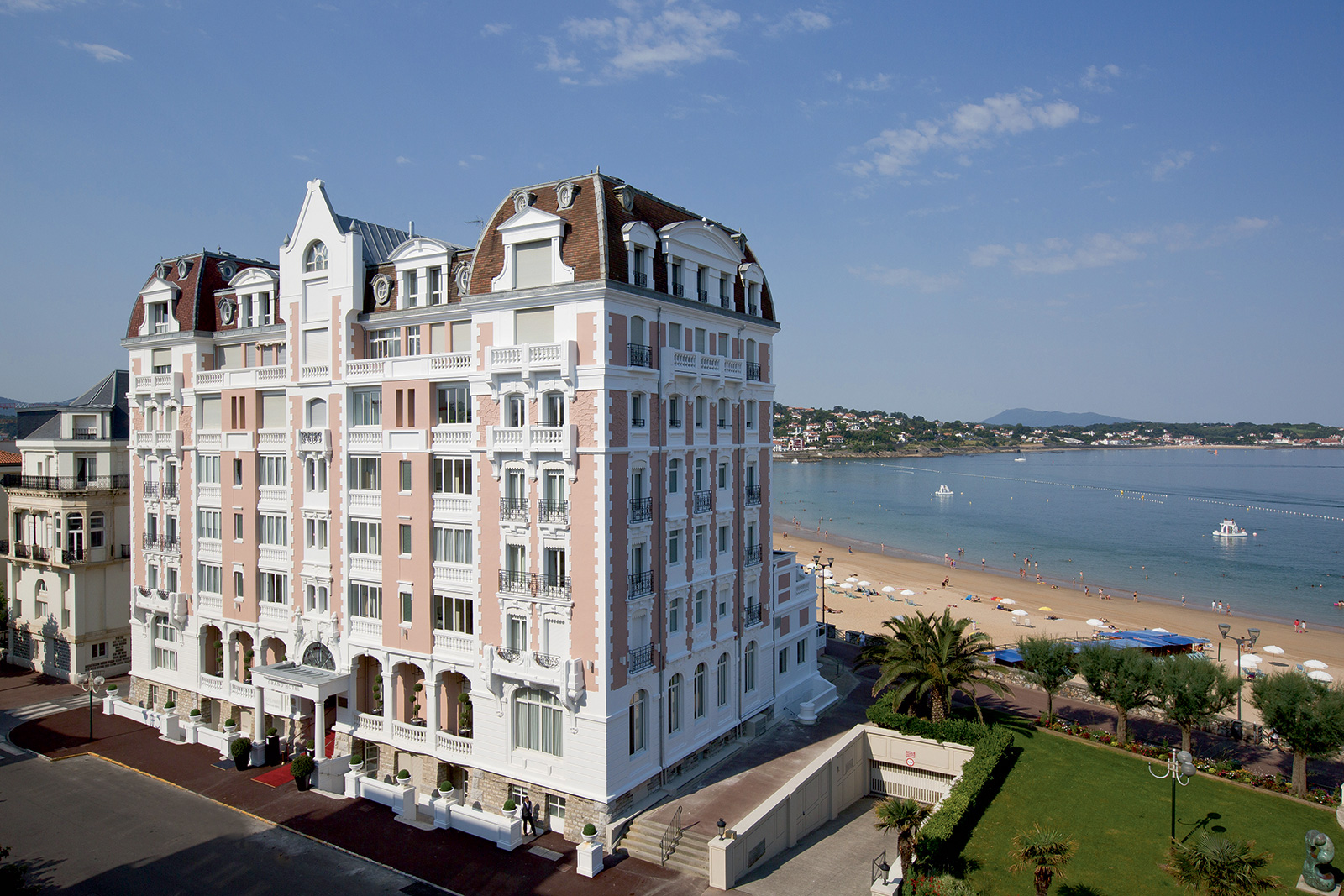
Le Grand Hotel Loreamar Thalasso & Spa in Saint-Jean-de Luz
5,8 km
To discover around

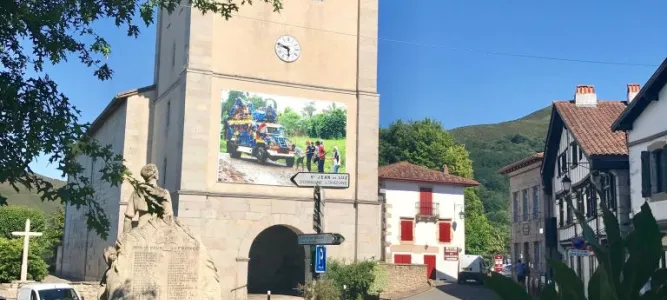
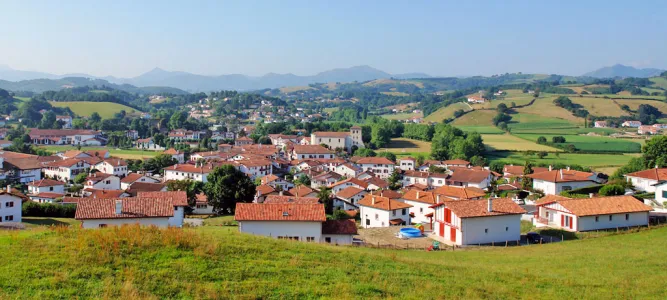
Ride around
La ronde des cols : Ibardin, Lizuniaga, Saint-Ignace depuis Ascain
La ronde des cols : Ibardin, Lizuniaga, Saint-Ignace depuis Ascain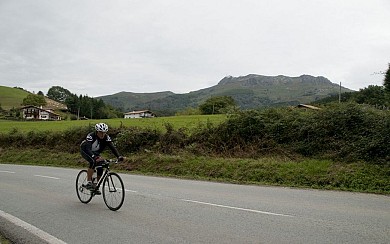
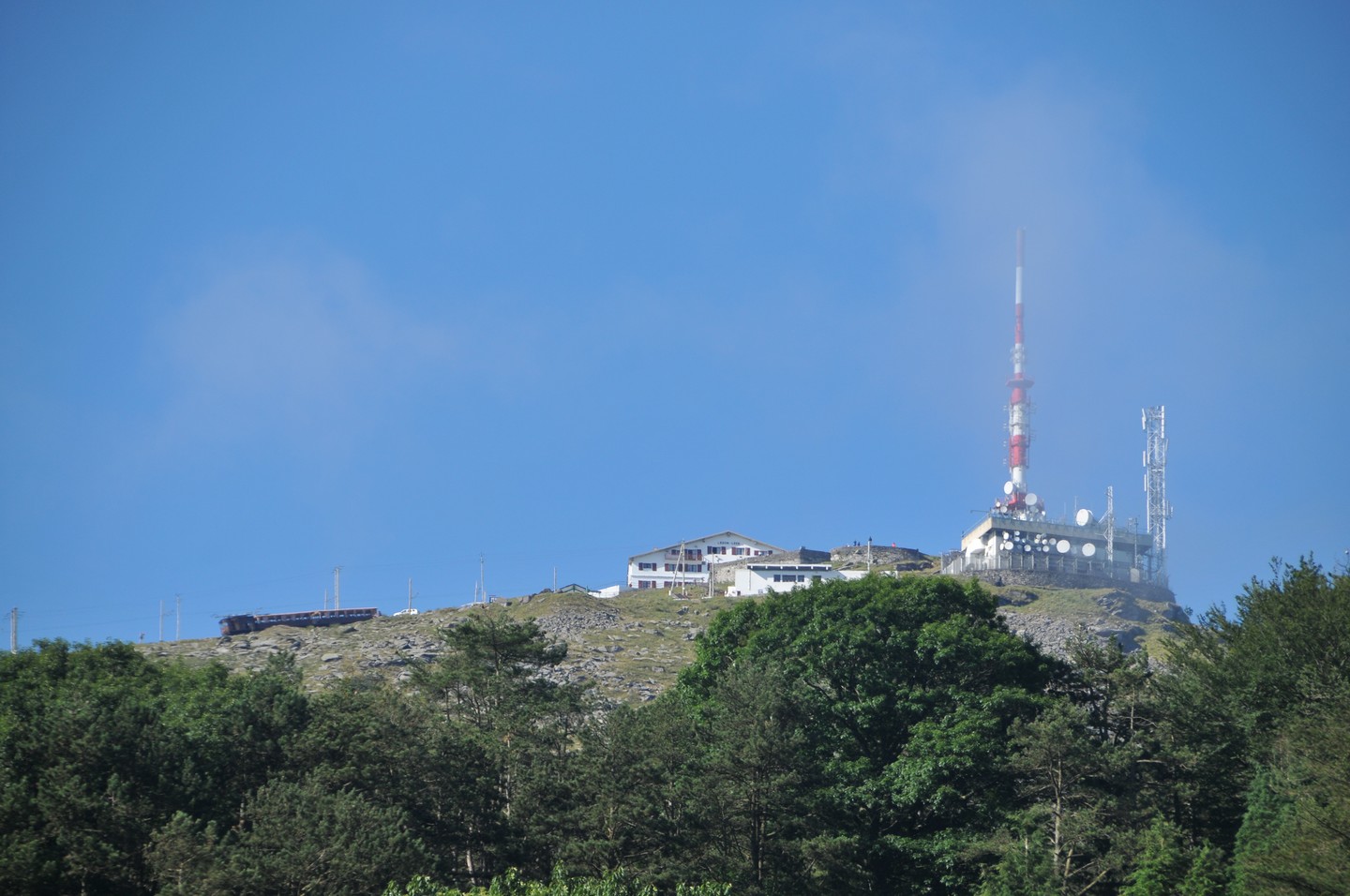
Ascain
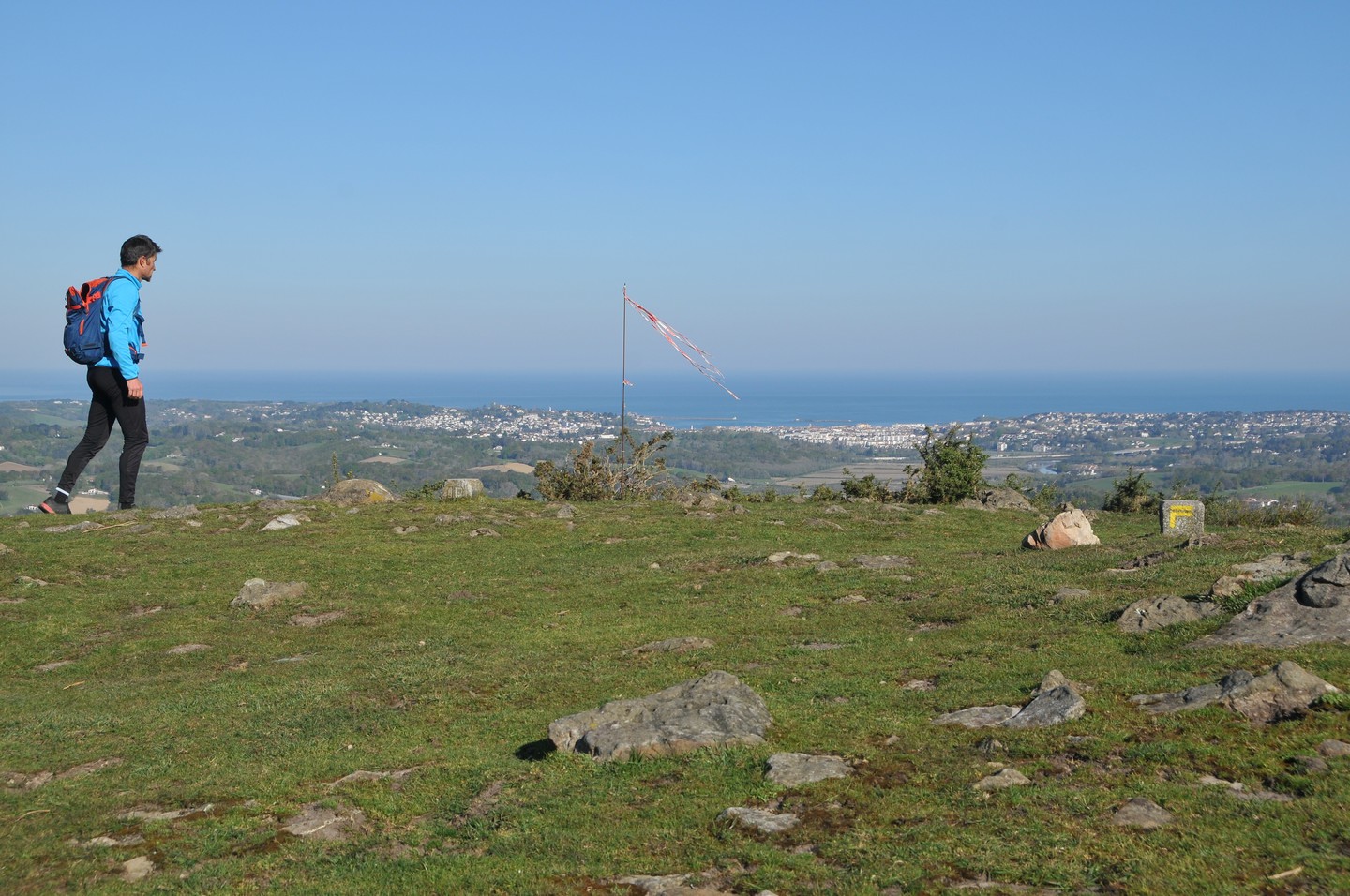
Suhalmendi : à la découverte du porc basque
Suhalmendi : à la découverte du porc basque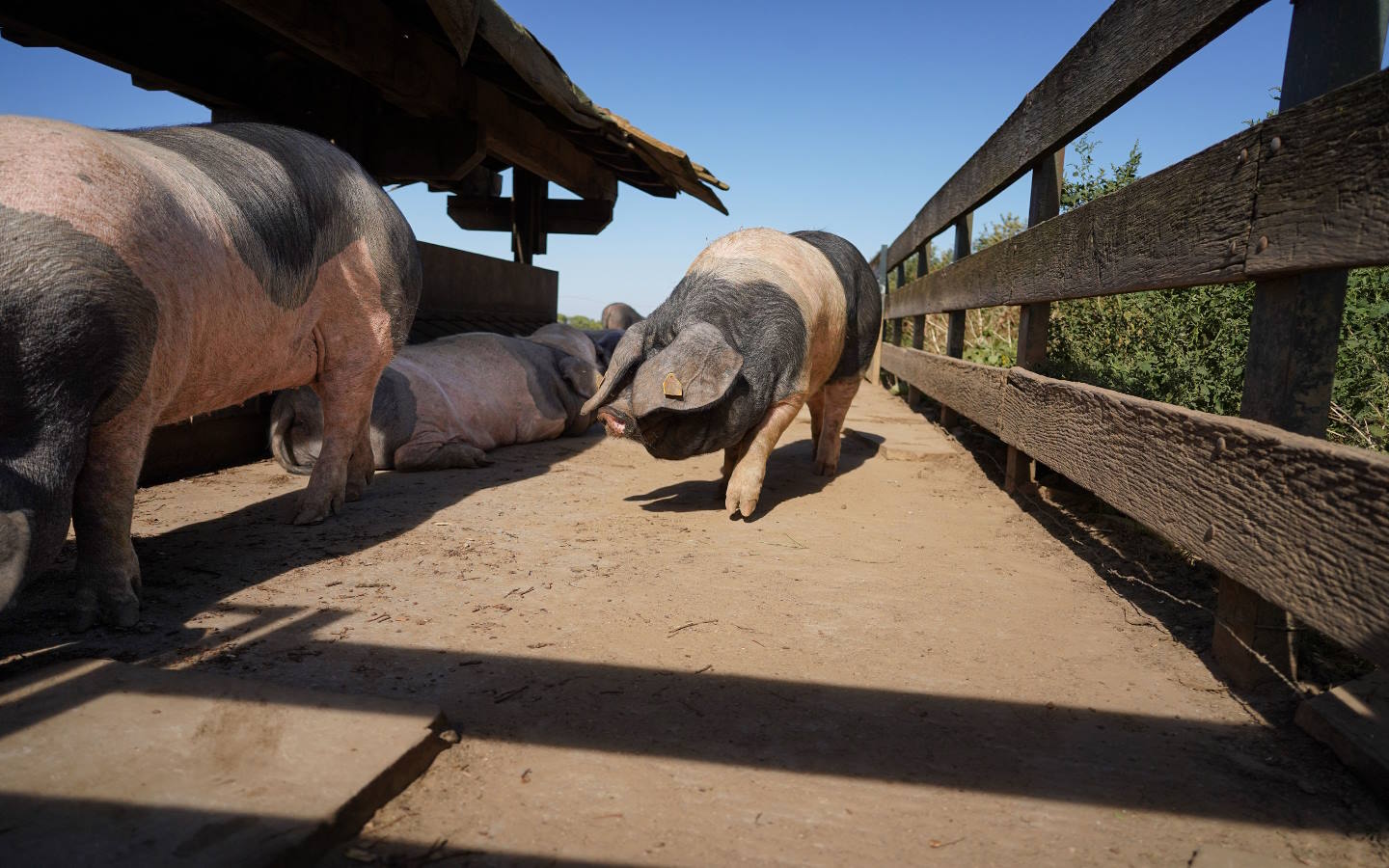
2,2 km - Sare