- Home page
- Top experiences
- Family Time
- Popular games and sports in the Basque Country
- Family Time
- Top experiences
Popular games and sports in the Basque Country
The region is renowned for its beautiful beaches and relaxing sunbathing holidays, but the Basque Country is also synonymous with tradition. For generations, southerners have enjoyed popular and legendary games that are still relevant today. Discover another side of the region through the popular games and sports of the Basque Country.
Opening photo: Basque strength games - Photo: Oier / AdobeStock
Palm tennis and Basque pelota
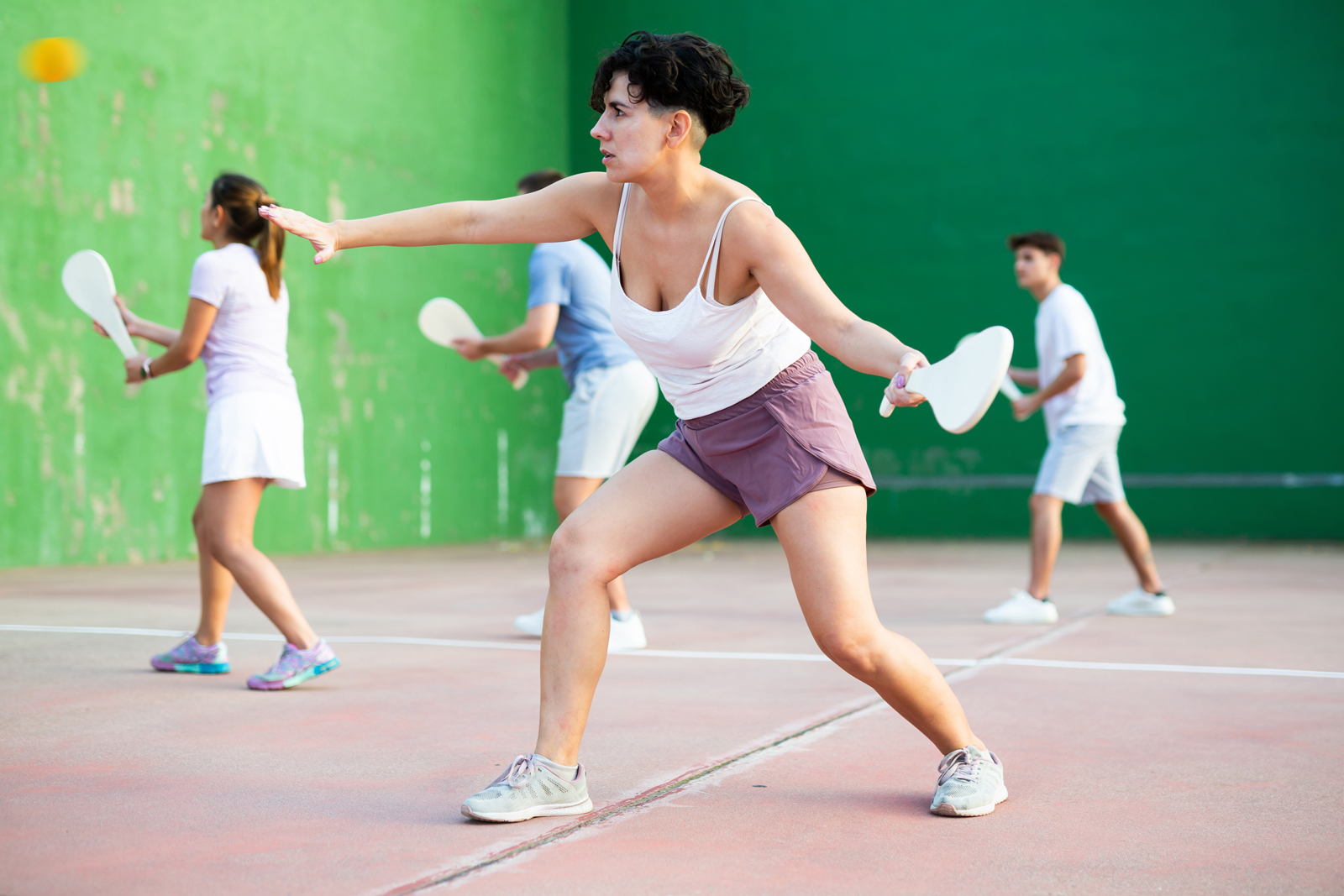
The game of palm dates from the Middle Ages and can be reminiscent of tennis due to its rules. A court with a net in the middle, a player on each side for singles or two for doubles, a racket and a ball, you can play. The principle consists of exchanging the ball with maximum bounce on the ground under penalty of losing the point, which is counted from 15, 30, 40 then game. Compulsory for nobles and princes at the time, the game of palm drifts over the years to become Basque pelota where the net is replaced by a wall. This sport is practiced at all ages and can be played in several ways with around twenty existing variations.
Basque strength games
It's fun to see these big guys compete in tests of strength. The tradition dates back several centuries and puts the muscles to the test during village festivals or competitions. Today it is in fact a real sporting competition where physical strength, skill, endurance and team spirit are judged. Made up of several games such as tug of war, milk can racing, cart lifting or straw bale throwing, it is a real spectacle that invites many visitors to try.
Trail races in the Basque Country
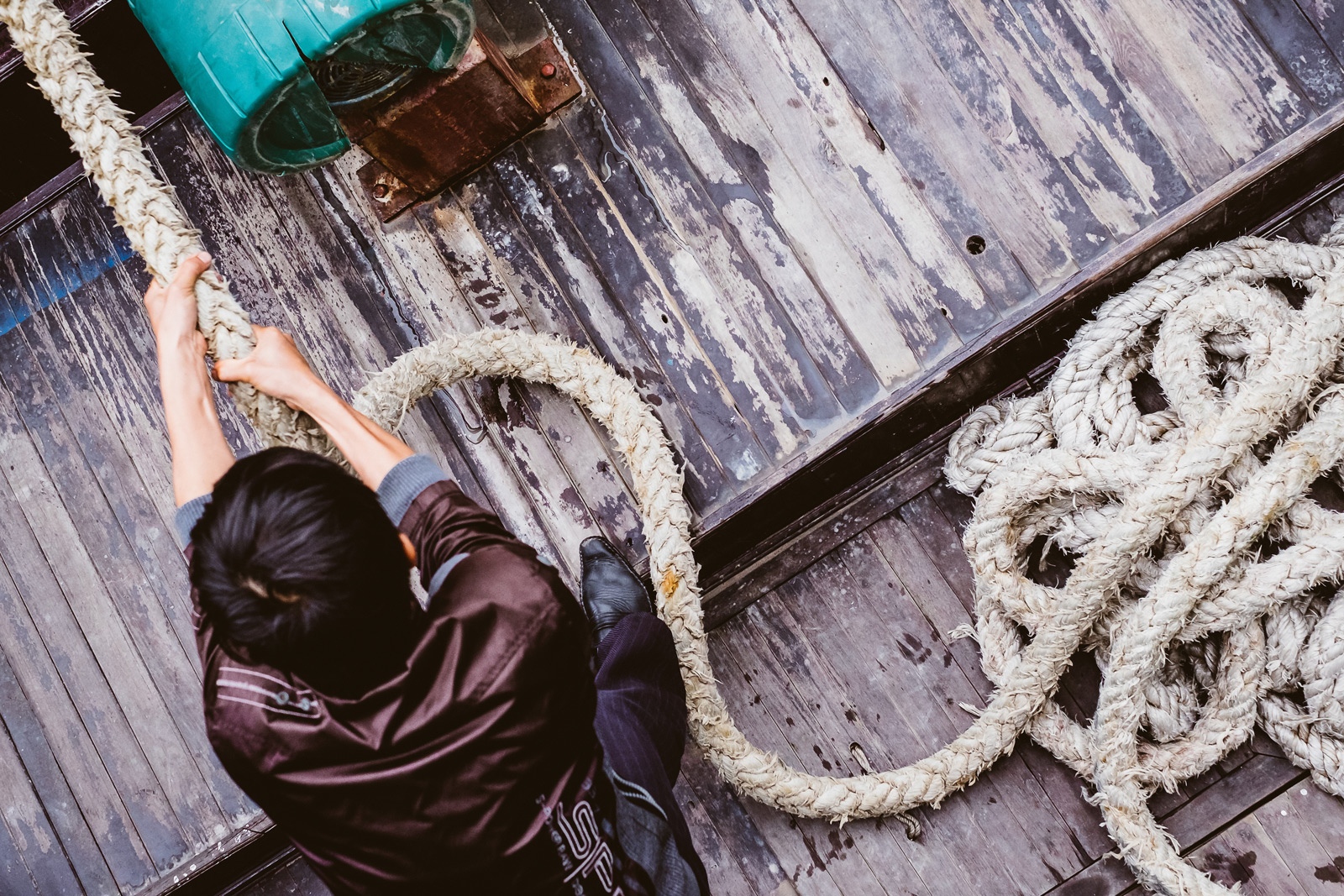
This sport was imagined after the challenges faced by sardine and anchovy fishermen to land first. Today a real popular competitive sport in the Basque Country, the old fishing boats have become racing boats. 12 meters long, they accommodate a team of 13 people seated in pairs except the helmsman who sits at the stern and steers the boat. The objective is not complicated, reach the buoy offshore, go around and row to the starting point. Come and applaud the athletes every summer to encourage them.
Carmen Immobilier Biarritz

The real estate specialist in the Basque Country - Biarritz Agency
Carmen Immobilier Bayonne

The real estate specialist in the Basque Country - Bayonne Agency
Bizipoz Hôtel

Your new and unique living space on the Basque coast
Mus's game
It is not the muscles that are used, but the mind which must demonstrate strategy and skill. The game of Mus which we pronounce fly has been famous for several years thanks to the French Federation of Mus and the organized world championships. To play, you need a 40-card Spanish deck of cards consisting of 10 cards for each suit between sword, staff, cup and coin. In teams of two, the goal is to have the best cards or to bluff like poker to win. Here, there is no winning money, but bets made with small stones or beans. Have fun learning the rules and playing with friends or family.
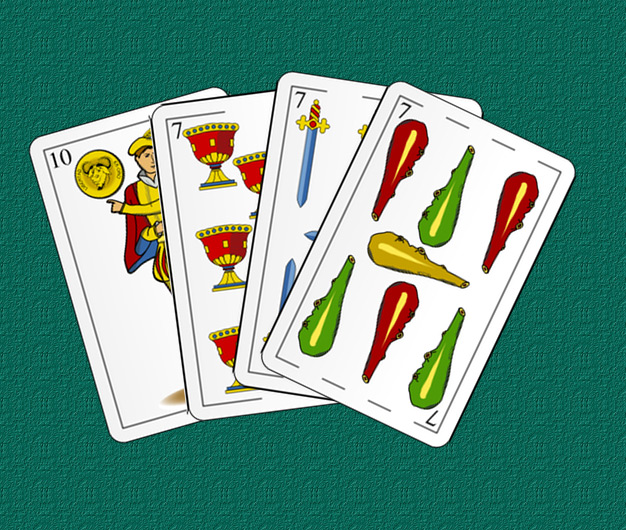
The game of the antzara jokoa goose
Initiated in 1865 in the province of Labourd by King Charles 4, the goose game consists of attaching the animal's legs to a hanging rope. The riders follow one another under the rope with the aim of tearing off the head of the poultry with their bare hands, marking the end of the game. Following the shocking nature of this game, the goose is now tied dead and not alive. Every year in November, Biriatou is the last village to organize this event during traditional festivals.
You will no longer come to the Basque Country for the same reasons after reading this article which lists popular games and sports in the Basque Country. Come visit the region to try to learn the rules, they are not complicated and allow for lots of fun.
Did you like our article? Find others on our Blog. Follow us on the Guide du Pays Basque Facebook page and on Instagram @guidedupaysbasque
You will also like
Café Rhubarbe, where fashion meets good coffee
Luminiscence Bayonne: Experience a unique adventure in the heart of Sainte-Marie Cathedral

The Bonnat-Helleu Museum in Bayonne reopens its doors after 15 years of silence

Operation Escape Game, a 100% fun destination for having fun in Bayonne

The Hit Bar, THE atmospheric bar that everyone loves in Bayonne

The Bayonne Ham Fair

Coffee shops in the Basque Country

The Hotel **** Villa Koegui, a unique place to live in the heart of Bayonne

To discover around

Ride around
La voie verte de Bayonne à Ustaritz en écomobilité
La voie verte de Bayonne à Ustaritz en écomobilité
589 m - Bayonne