
- Home page
- Top experiences
- Family Time
- Popular games and sports in the Basque Country
- Family Time
- Top experiences
Popular games and sports in the Basque Country
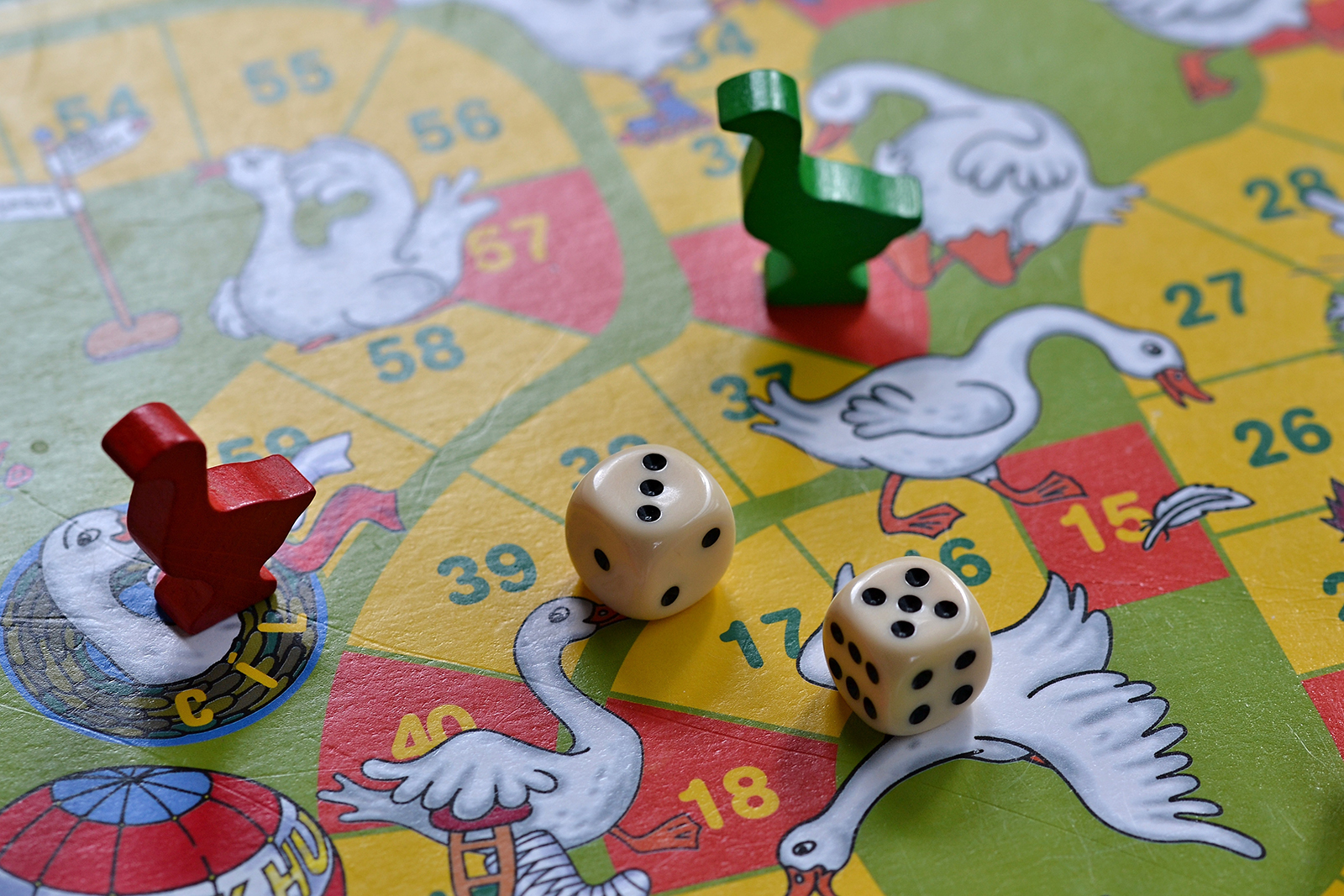
Traditional Basque games and sports are still very much alive. The most emblematic are Basque pelota, Basque strength games (herri kirolak), trainera regattas, the card game mus, and festive games like antzara jokoa, the game of goose. They are played, watched, and passed down on both sides of the border, from Labourd, Lower Navarre, and Soule to Gipuzkoa and Biscay.
For families and curious people alike, it's an excellent way to discover the Basque Country in a different way than through its beaches: by attending a game of pelota, encouraging rowers on the bay of La Concha or learning about mus around a table.
Opening photo: Basque strength games.
5 games to discover in the Basque Country and Euskadi
Basque pelota, the emblematic sport of the Basque Country
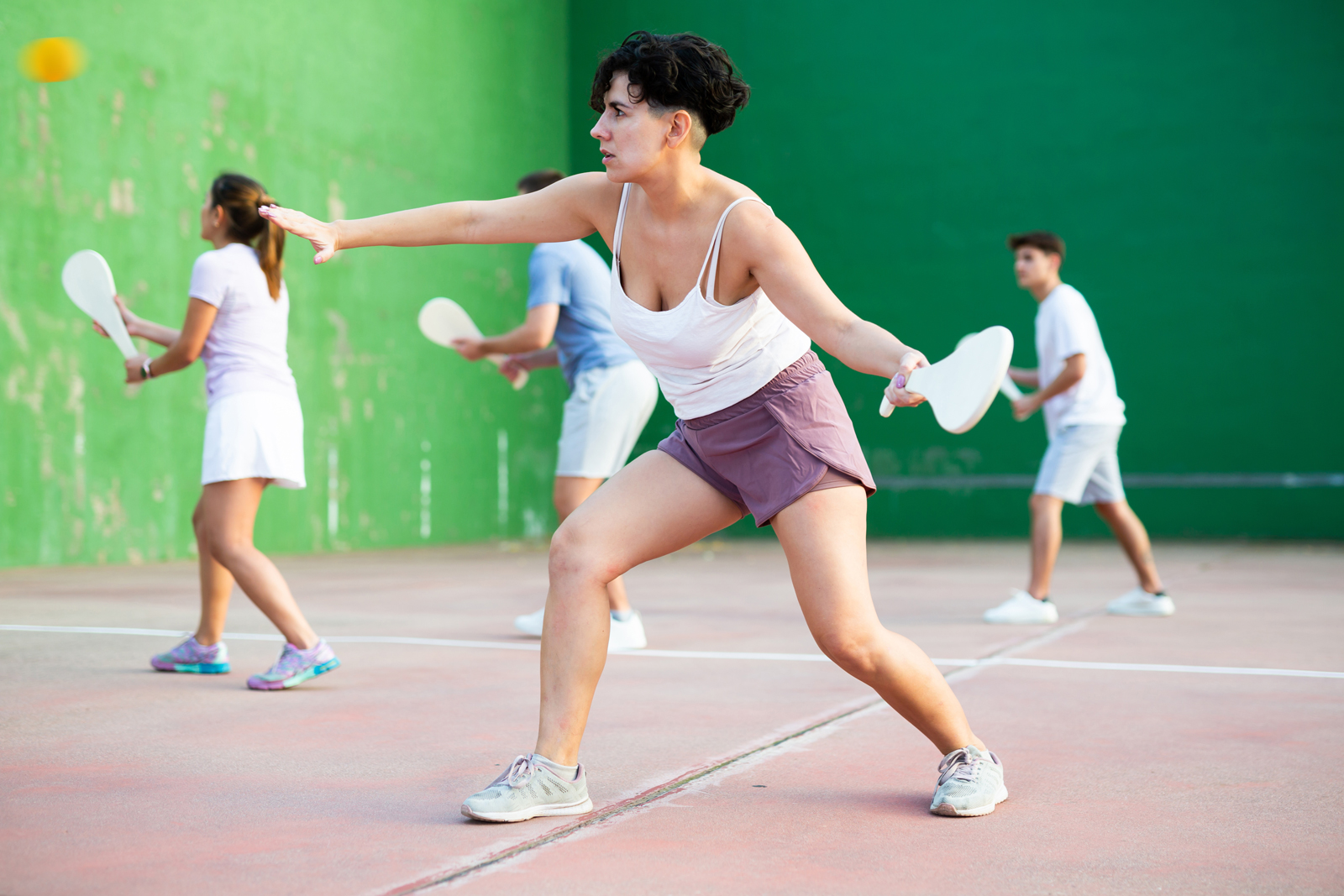
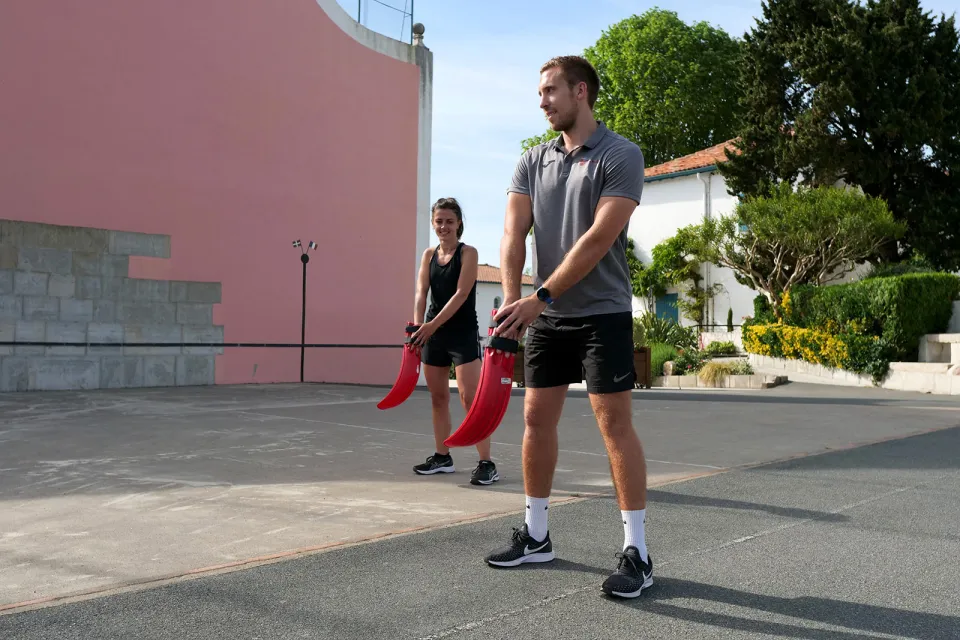
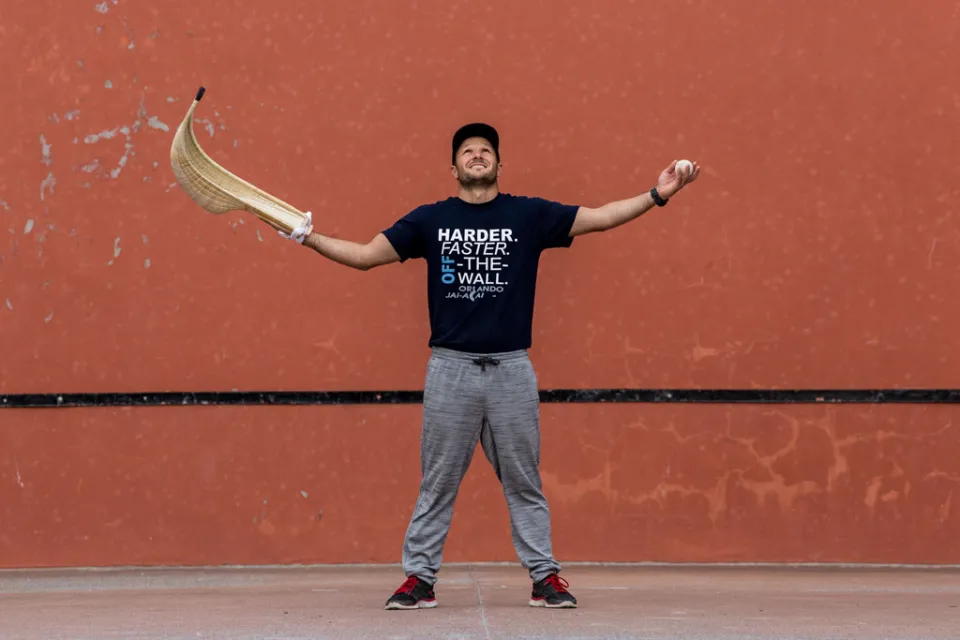
Basque pelota (euskal pilota) is undoubtedly the sport most closely associated with Basque identity. It descends from jeu de paume, which appeared in the Middle Ages, where a ball was exchanged across a net. Over the centuries, the net was replaced by a wall, the fronton, against which the ball is returned. Today, around twenty variations exist and are played by people of all ages. Depending on the specialty, the ball is struck with bare hands, with a wooden racket (the pala ), with a wicker glove (the chistera ), or with a basket (the cesta punta ).
The game is played on different types of terrain:
- The open space, with a pediment and a wall on the left;
- The trinquet, an enclosed room;
- The covered pediment.
In almost every village in the French Basque Country, you'll find a fronton, often next to the church or town hall. In the Spanish Basque Country, pelota is played in many towns, and cesta punta (jai alai) is a spectacular sport for speed enthusiasts.
Basque strength games, a tradition that puts on a show
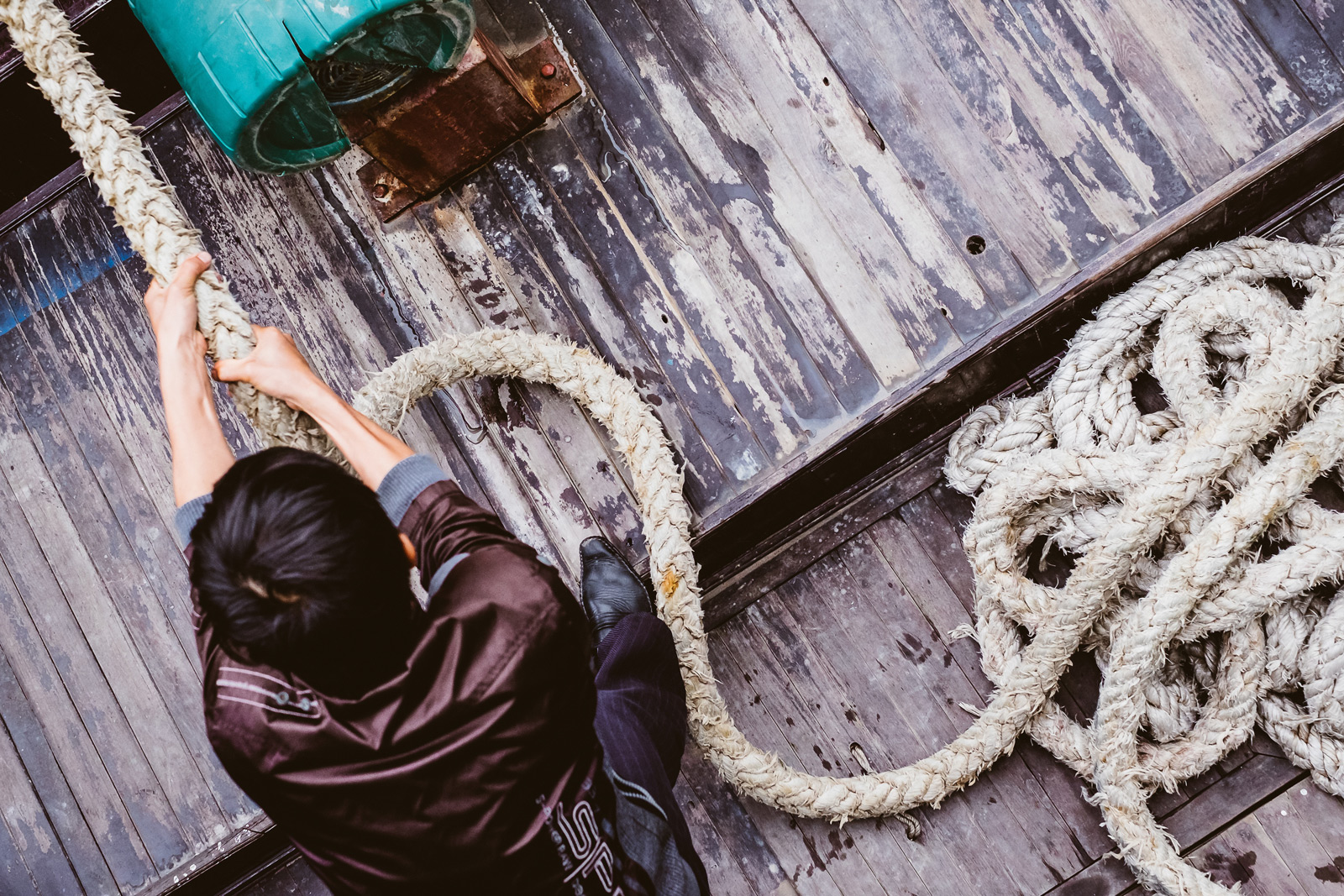
Basque strength games, or herri kirolak ("people's sports"), originated from everyday life in the countryside of yesteryear : chopping wood, carrying loads, moving stones. These activities have evolved into genuine competitions, where physical strength, skill, endurance, and teamwork are judged. They are most often seen at village festivals and competitions on both sides of the border.
The most well-known events are:
- Stone lifting (harri-jasotzea), which consists of lifting and placing a heavy stone on one's shoulder;
- The woodcutting competition (aizkolaritza), where woodcutters compete on tree trunks;
- Tug-of-war (sokatira) between teams;
- The cart lifting, the milk can race and the straw bale throwing.
These spectacular demonstrations appeal to children and adults alike, and visitors are often invited to try their luck, in a friendly atmosphere, on adapted challenges.
Trainera regattas, a spectacle on the water
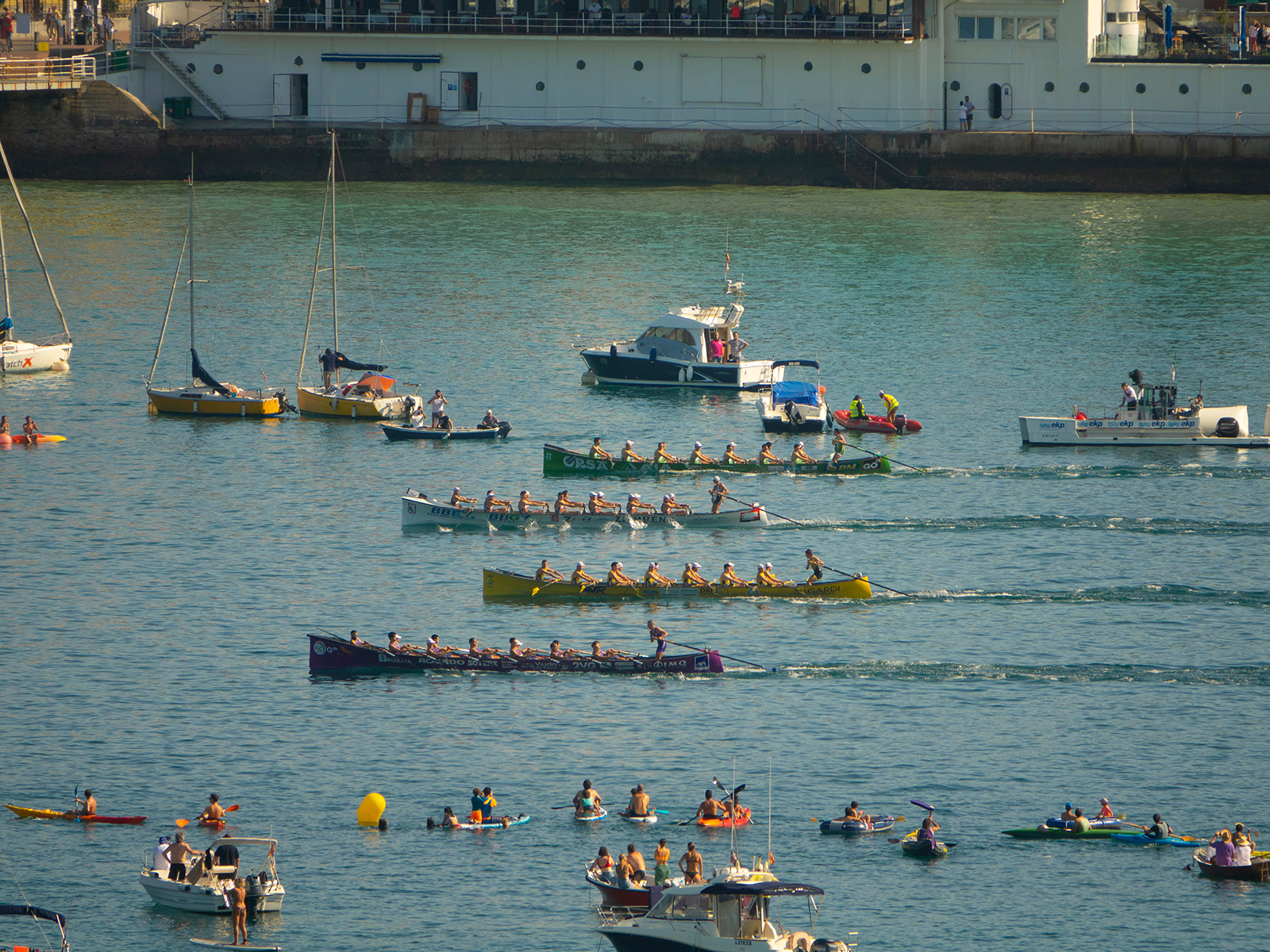
Traineras (traineres) are traditional fishing boats used for sardine and anchovy fishing. Originally, fishermen competed to see who could return to port first with their catch. From this rivalry arose a true sea rowing sport, very popular on the Spanish Basque coast. A trainera is about twelve meters long and carries thirteen rowers, seated in pairs, as well as a skipper at the stern who steers and sets the pace. The race consists of reaching a buoy offshore, rounding it, and then rowing to the finish line.
The most famous competition is the Bandera de La Concha, in San Sebastián. The La Concha regattas have been held since 1879, always on the first two Sundays of September in the bay, with a women's category since 2008. The event is free and attracts large crowds to the seafront and the old town.
If you are staying in San Sebastián in early September, don't miss it.
Salt Room San Sebastián
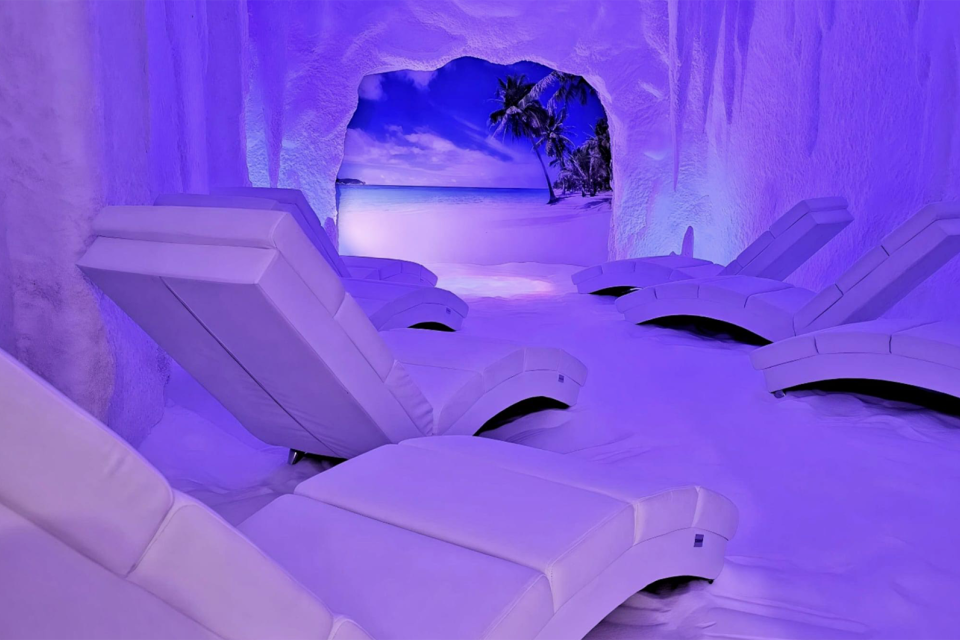
A haven of relaxation with multiple benefits in San Sebastián
2,1 km
Abba Apartments Playa de Gros
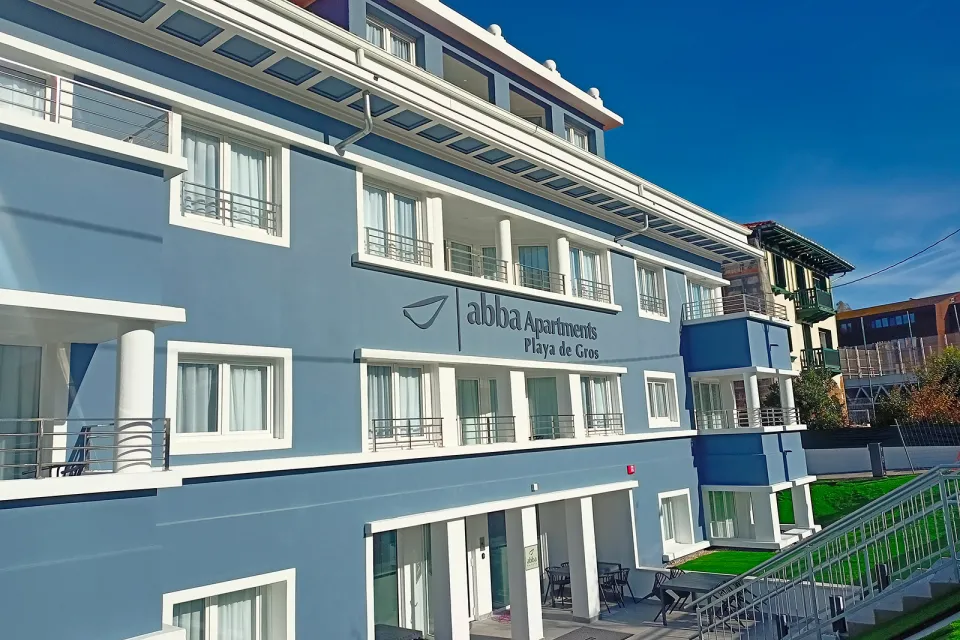
Comfortable apartments 5 minutes from the beach in the Basque Country
2,5 km
Abba San Sebastian
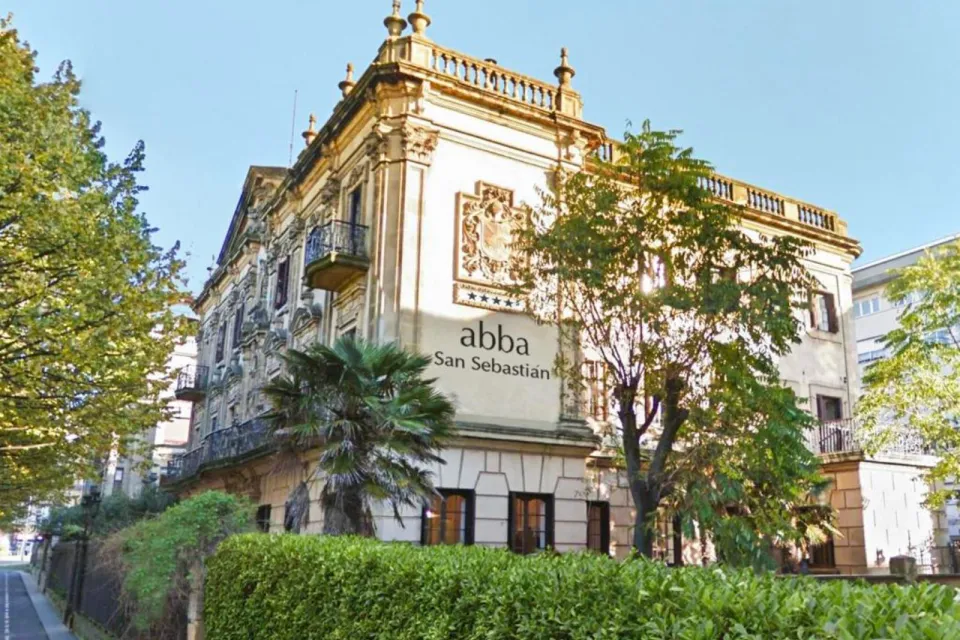
A unique boutique hotel in Donostia - San Sebastian
2,9 km
Mus, the card game of wit and bluffing
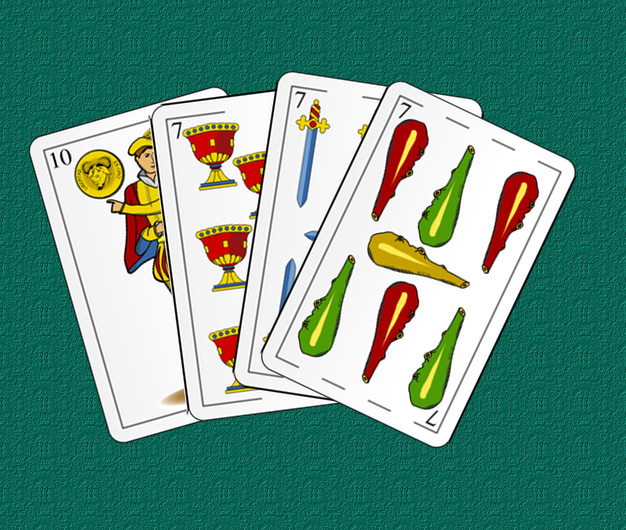
Here, it's not muscles that count, but strategy. Mus (pronounced "muh") is played with a 40-card Spanish deck of cards, divided into four suits: swords, clubs, cups, and coins. It's played in teams of two, and the goal is to have the best cards or to bluff your opponents, a bit like in poker. There's no money involved: bets are made with small pebbles or beans.
Mus is very popular in bars and at village festivals on both sides of the border. It has even become famous in recent years thanks to the French Mus Federation and the world championships held there. To learn the game, simply ask local players to explain the rules to you, with friends or family.
Antzara jokoa, the traditional festival game of goose
Antzara jokoa ("the game of the goose") is a game of skill and balance played on horseback during village festivals. A bird is suspended from a taut rope, and riders take turns galloping under the rope, trying to catch and untie it. The game has now been entirely adapted: the animal is no longer alive.
This tradition is still perpetuated in several villages of the French Basque Country. According to the inventory of Basque intangible heritage, four municipalities maintain it without interruption, including Biriatou, where it takes place on the Sunday of the Saint Martin's Day festivities, around November 11th. In Sare, they play the duck game (ahate jokoa). and in Souraïde, at the game of goose. These are primarily celebrations for the locals rather than a show designed for tourists, but the public is welcome.
On the Spanish side, the town of Lekeitio, in Biscay, organizes Antzar Eguna ("Goose Day") every year during its San Antolín festivities. Participants, launched from a boat, try to grab the head of a goose suspended from a rope above the harbor. This goose has been artificial since 2022.
Frequently asked questions about Basque games and sports
- What is the traditional sport of the Basque Country? Basque pelota is the most emblematic sport of the Basque Country. It is played against a wall, the fronton, in many variations (bare hand, pala, chistera, cesta punta).
- Where can you watch Basque pelota? You'll find it in almost every village in the French Basque Country, often on a fronton next to the church or town hall, as well as in many towns in the Spanish Basque Country.
- What are herri kirolak? Herri kirolak ("people's sports") are Basque strength games: stone lifting, wood chopping, tug-of-war, or cart lifting. They originated from the movements of farm work.
- When do the La Concha regattas take place? The La Concha trainera regattas are held in San Sebastián every year, on the first two Sundays of September.
- How is Mus played? Mus is played by four people, in teams of two, with 40 cards. You have to have the best cards or bluff the opposing team. Bets are made with pebbles or beans, never with money.
Basque pelota, Basque strength sports, rowing boats, mus (a Basque game similar to Basque pelota), or the game of goose: these traditions tell the story of a region where sport and celebration have always been part of daily life. The easiest way to discover them is to come during a village festival or a major event like the San Sebastián regatta. You'll see the Basque Country in a different light, on both sides of the border.
Did you like our article? Find more in our Top Experiences section.
We're also on social media, come check out the Guide du Pays Basque Facebook page and our Instagram account @guidedupaysbasque
You will also like
Luminiscence Bayonne: Experience a unique adventure in the heart of Sainte-Marie Cathedral

The Bonnat-Helleu Museum in Bayonne reopens its doors after 15 years of silence

Operation Escape Game, a 100% fun destination for having fun in Bayonne

The Hit Bar, THE atmospheric bar that everyone loves in Bayonne

The Bayonne Ham Fair

Coffee shops in the Basque Country

The Hotel **** Villa Koegui, a unique place to live in the heart of Bayonne

Getting married in the Basque Country
To discover around

Ride around
De Sainte-Engrâce à La Pierre-Saint-Martin
De Sainte-Engrâce à La Pierre-Saint-Martin
4 787,0 km - Sainte-Engrâce


