About
-
English
-
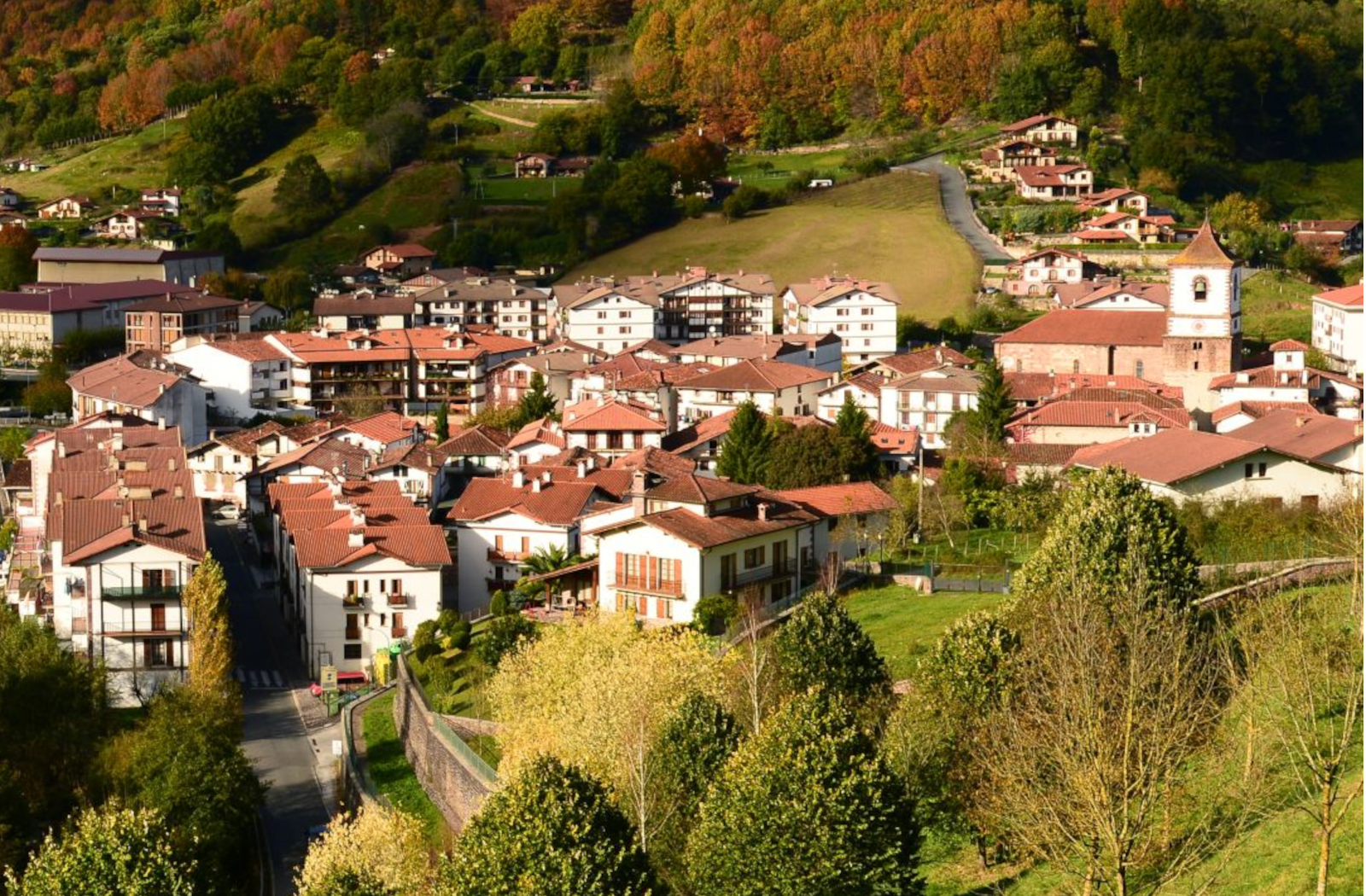
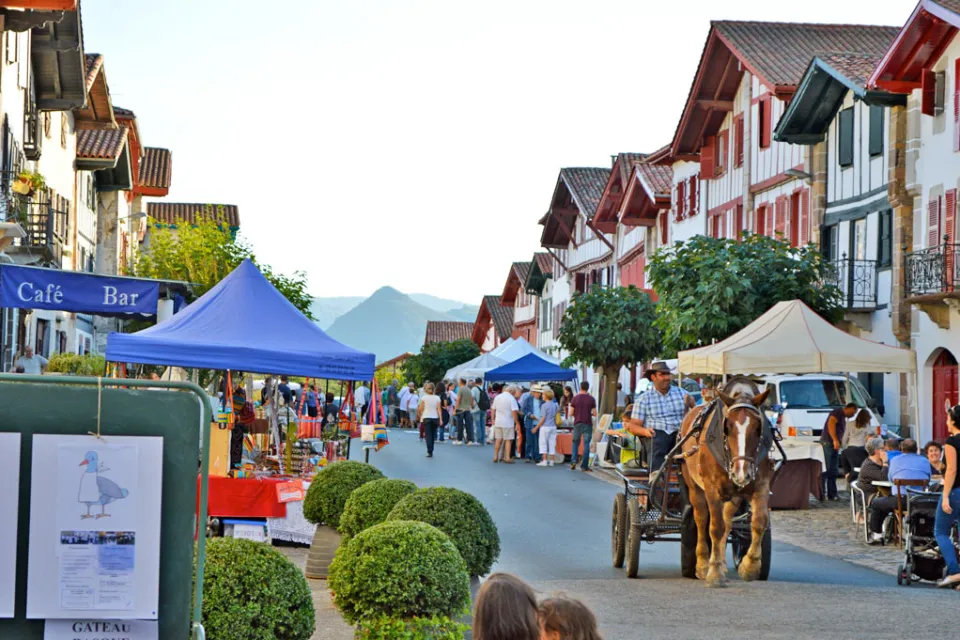
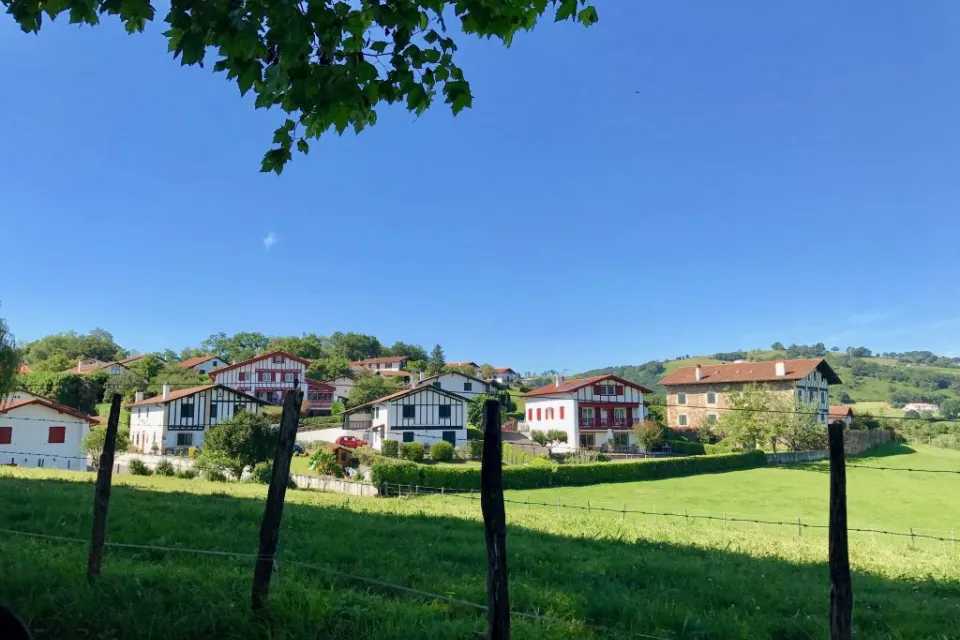
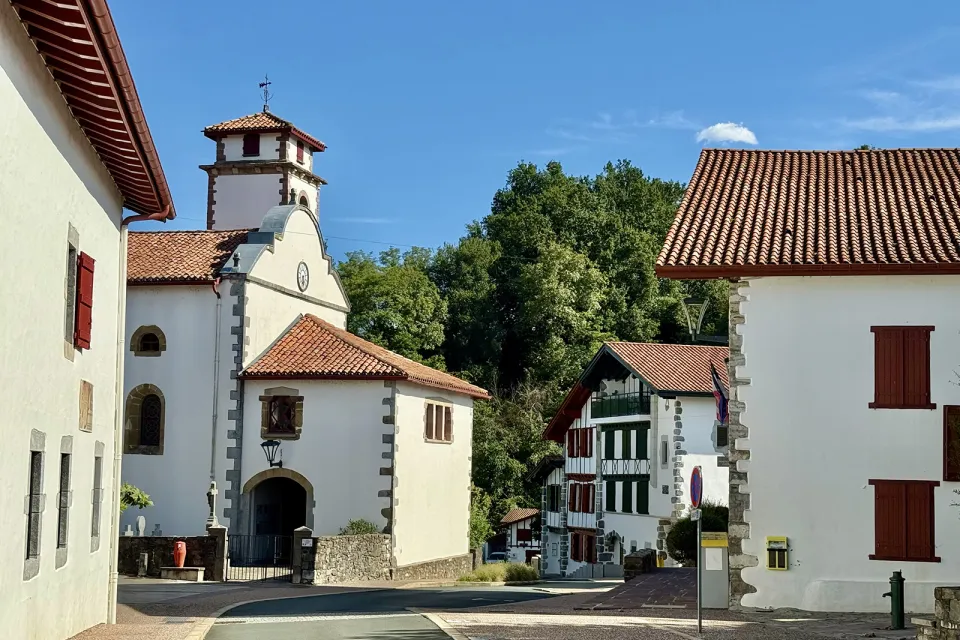
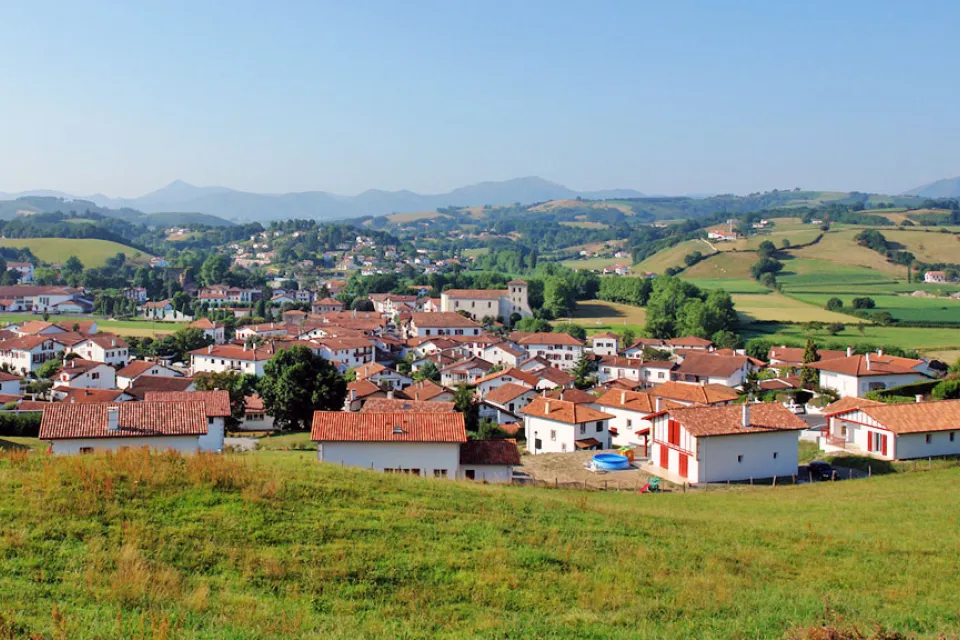
Welcome to Zugarramurdi, a small enclave of 250 inhabitants, straddling the Navarre Mountains and the Cantabrian Sea, in the heart of the cross-border canton of Xareta. This complicated name, which reminds those who listen to it for the first time of a tongue twister, refers according to its inhabitants to the "elms, hazelnuts and laurels", vegetation characteristic of this place. In addition, thick beech groves, mountains that speak of myths – like the Larun or the Atxuri – isolated farmhouses, green meadows and herds of latxas and pottokas sheep punctuate the surroundings of this village. When you have arrived in the city center, your attention is drawn to the dilapidated buildings dominated by the Church of Nuestra Asunción and the Dutaria Palace. Four scattered neighborhoods, Azkar, Madaria, Etxartea and Olasur, complete its barely 6 square kilometers of extension.
The tragic story of 31 inhabitants, accused of practicing witchcraft by the Court of Logroño of the Inquisition in 1610, was the event that forever changed the life of this place and due to which its name became known. universally. Thousands of visitors come every year to know the “Village of Witches” attracted by this historical fact and by the legends that have arisen.
The magic touch of a place strewn with charm, a poignant past and pure nature combine in Zugarramurdi to offer an attractive tourist offer oriented towards the socio-economic development of this village, which is both small and dynamic.
The Grotto, imperturbable witness to the legendary akelarres, and the Museum of the Witches, where historical memory finds its space, abolishing stereotypes in this way and giving a voice to those who have suffered the ravages of an era that has already passed, constitute a mandatory visit. Both resources are managed by Zugarramurdiko Garapena SL
-
Welcome to Zugarramurdi, a small enclave of 250 inhabitants, straddling the Navarre Mountains and the Cantabrian Sea, in the heart of the cross-border canton of Xareta. This complicated name, which reminds those who listen to it for the first time of a tongue twister, refers according to its inhabitants to the "elms, hazelnuts and laurels", vegetation characteristic of this place. In addition, thick beech groves, mountains that speak of myths – like the Larun or the Atxuri – isolated farmhouses, green meadows and herds of latxas and pottokas sheep punctuate the surroundings of this village. When you have arrived in the city center, your attention is drawn to the dilapidated buildings dominated by the Church of Nuestra Asunción and the Dutaria Palace. Four scattered neighborhoods, Azkar, Madaria, Etxartea and Olasur, complete its barely 6 square kilometers of extension.
- Français
- Español
- Euskara
Services
Useful information
Province : Labourd