- Home page
- Tourism
- Tasting
- Basque gastronomy
- Tasting
- Tourism
The Basque Country, a land of character
Automatic translation
Basque cuisine owes its reputation to local products, often sourced from small family farms and livestock farms, where traditions and expertise are respected. Cheeses, peppers, wines, hams, cakes … but also resources from the ocean, inspire the variety of Basque cuisine, a cuisine full of character. Since the mid-19th century, gastronomic societies have existed in the Basque Country, a kind of club run by men who take to the kitchen and perpetuate ancestral recipes around the stove. These societies play an important role in the transmission of Basque cultural and culinary heritage.
Many excellent restaurants offer the opportunity to sample Basque products; don't hesitate to venture into the small inland villages to discover the best traditional restaurants and cider houses. It's a Basque institution to enjoy a rib of beef accompanied by Basque cider, Sagarno, in a convivial atmosphere at a large communal table.
In the Basque Country, seafood holds a place of honor: crustaceans, anchovies, sea bream, tuna and the famous chipirons (small squid) in ink or stuffed with piquillo peppers (on the Spanish side), are used in the composition of many dishes.
Basque charcuterie, on the other hand, is a true institution with many local specialties (from sausage to dry sausage, including black pudding, pâté, ventrèche…) often spiced, which are unparalleled in delighting the taste buds.
Bayonne ham is made from pigs raised in the Southwest of France and cured exclusively in the Adour basin. This raw ham, salted with salt from Salies-de-Béarn and then dried for 7 to 12 months, has a Protected Geographical Indication and is a true delicacy, melting in the mouth, fragrant and very flavorful.
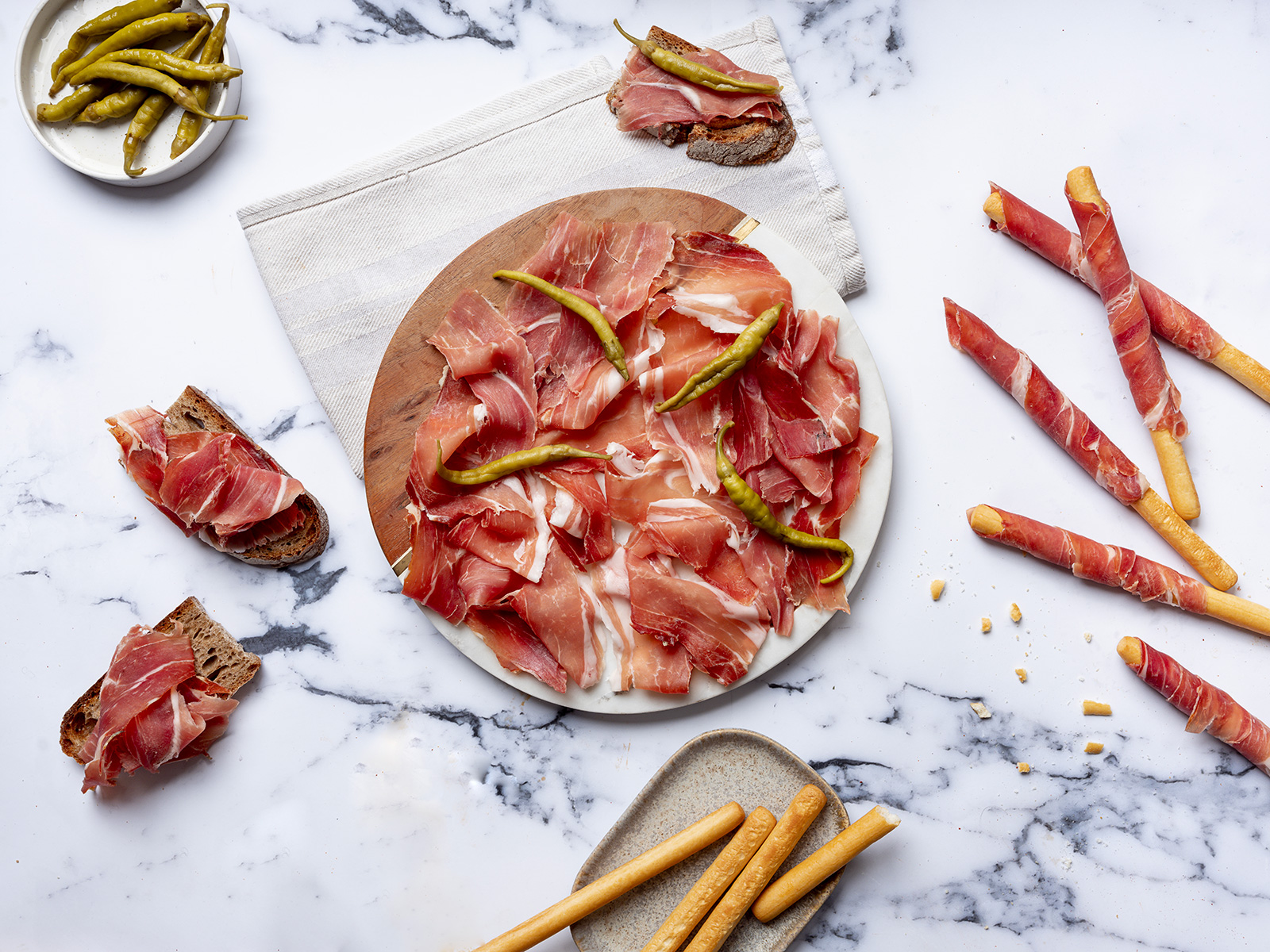
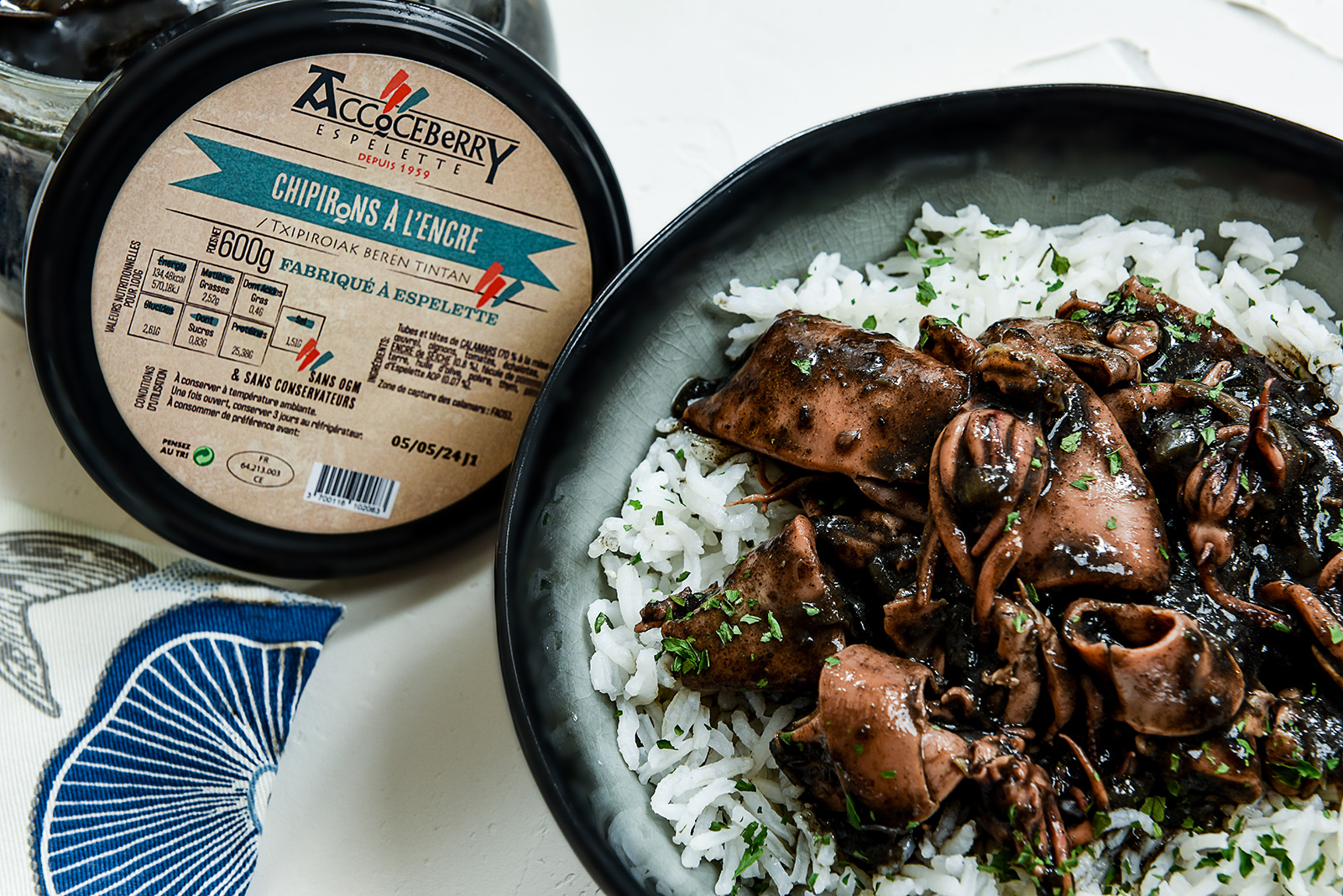
There are many good places to find quality ham; we've selected a few below to help guide your choice:
Accoceberry
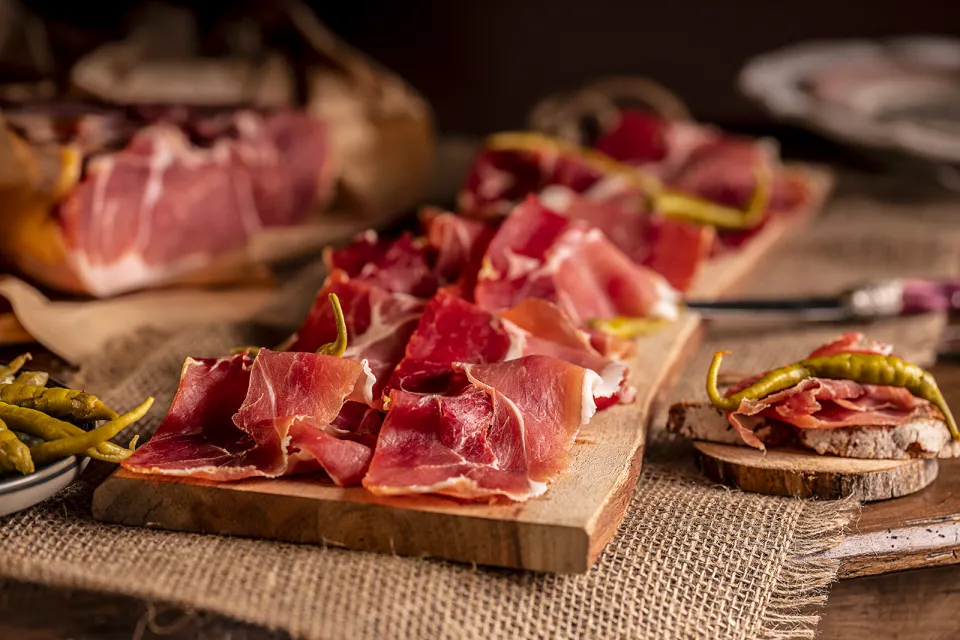
Savor the authentic local products of the Basque Country
Etxe Peio
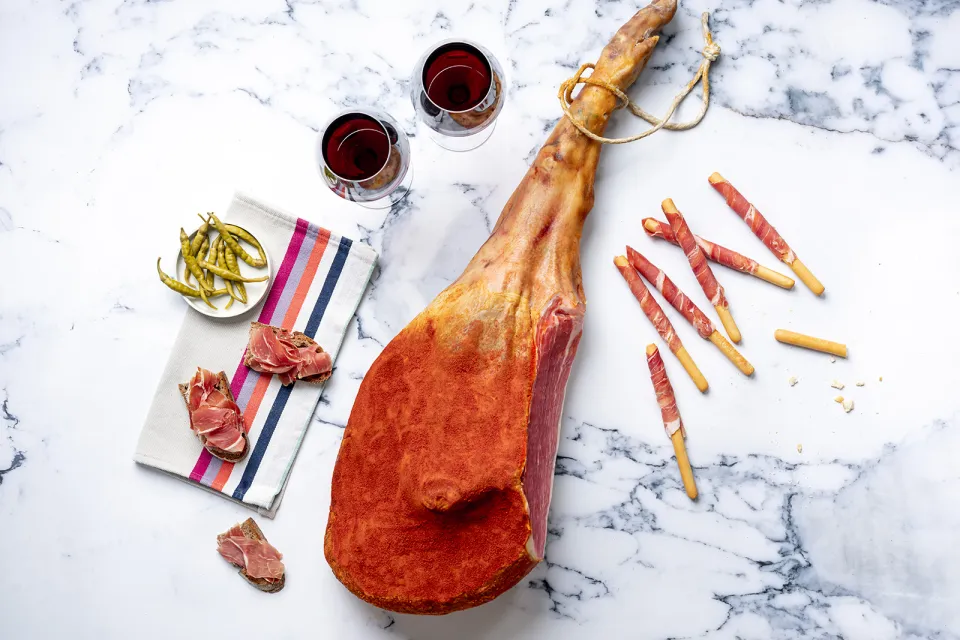
Authenticity and quality at the service of your taste buds in Bayonne
Pierre Ibaïalde
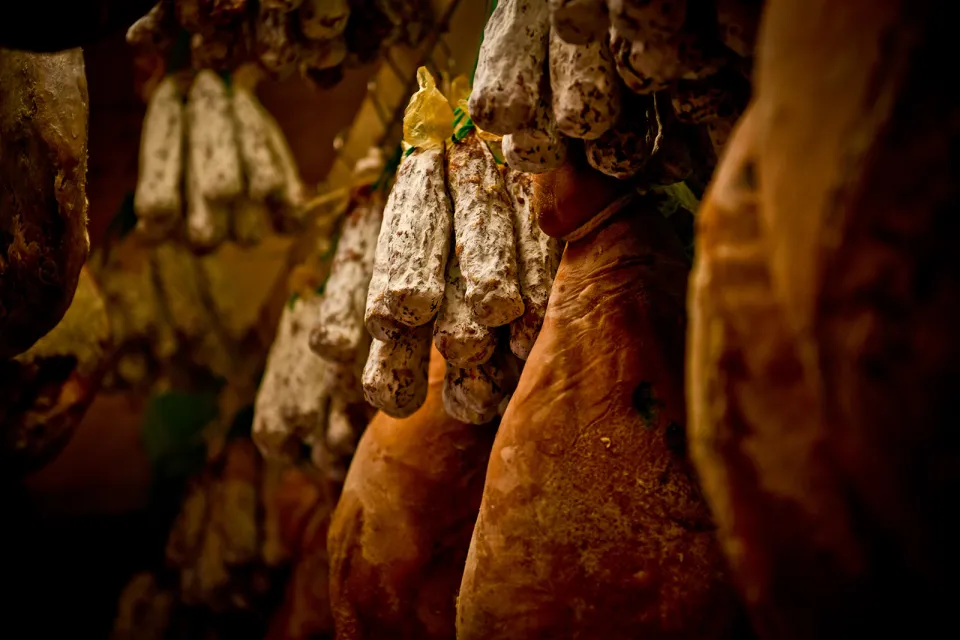
Artisanal delicatessen in Bayonne
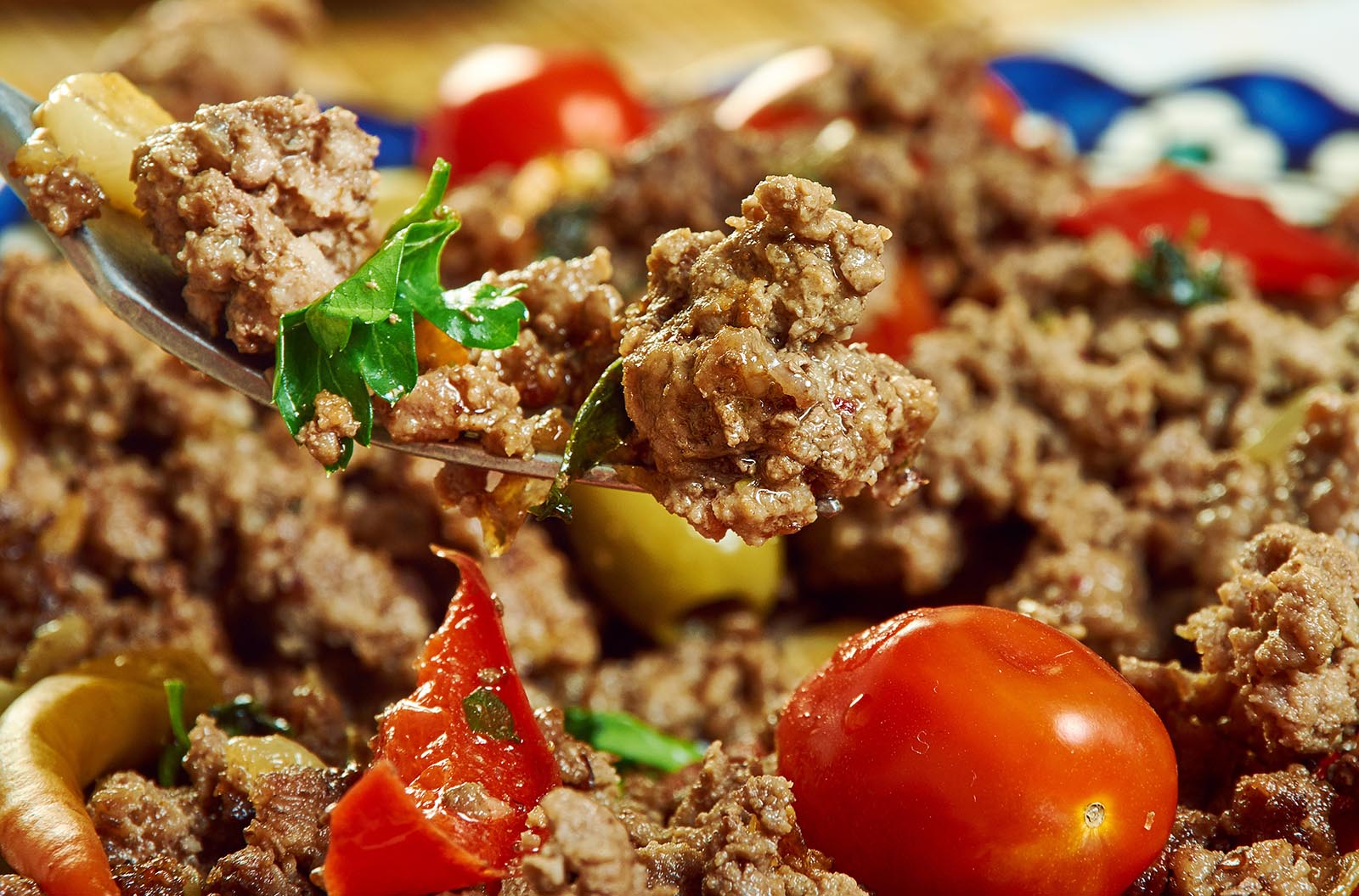
In terms of culinary preparation, Axoa, a spicy veal stew, is a must-try. Chicken and lamb are often prepared Basque-style, with a piperade made from tomatoes, onions, green peppers, and chilies. Garbure is a hearty peasant soup, a mixture of vegetables and slow-cooked meats. Wood pigeons, considered "the national dish," are also eaten in salmis (a Basque stew), or roasted during the hunt, a true Basque ritual taking place in October and November. Trout and small trout caught in mountain streams are often served as appetizers. Don't miss the famous Banka trout, raised in the renowned and beautiful Aldudes Valley.
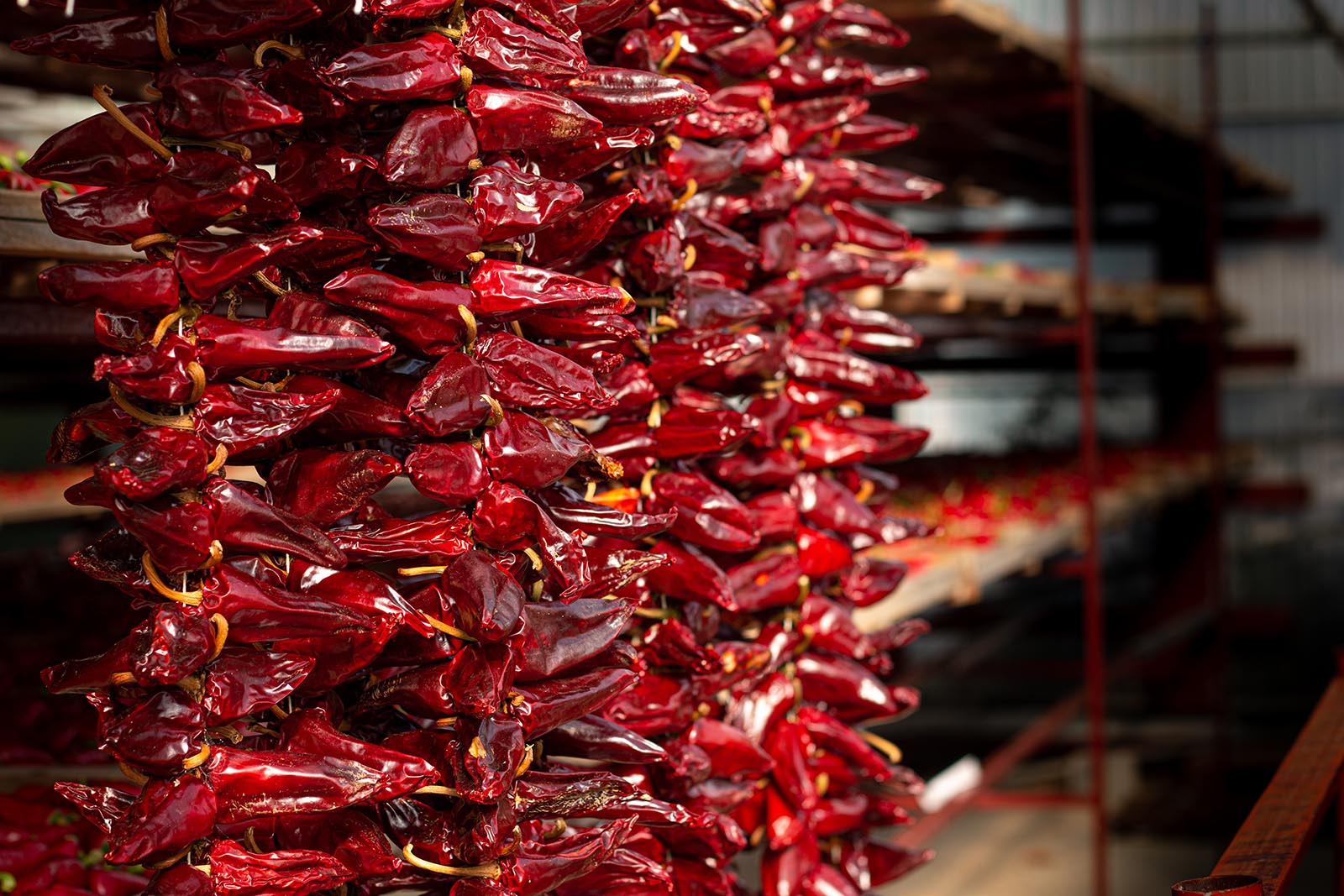
Espelette pepper, highly aromatic, is also used in many dishes, adding a touch of spice. It is used as a condiment, in place of black pepper. It has been cultivated in Espelette since the 16th century, having been imported from South America. Once harvested in September, it dries in the sun on wooden balconies or house facades, tied in ropes into large bunches or dark red strings, and is then ground into powder. The last weekend of October sees the Espelette Pepper Festival, which attracts thousands of visitors. Espelette pepper has a Protected Designation of Origin (PDO).
BiPia
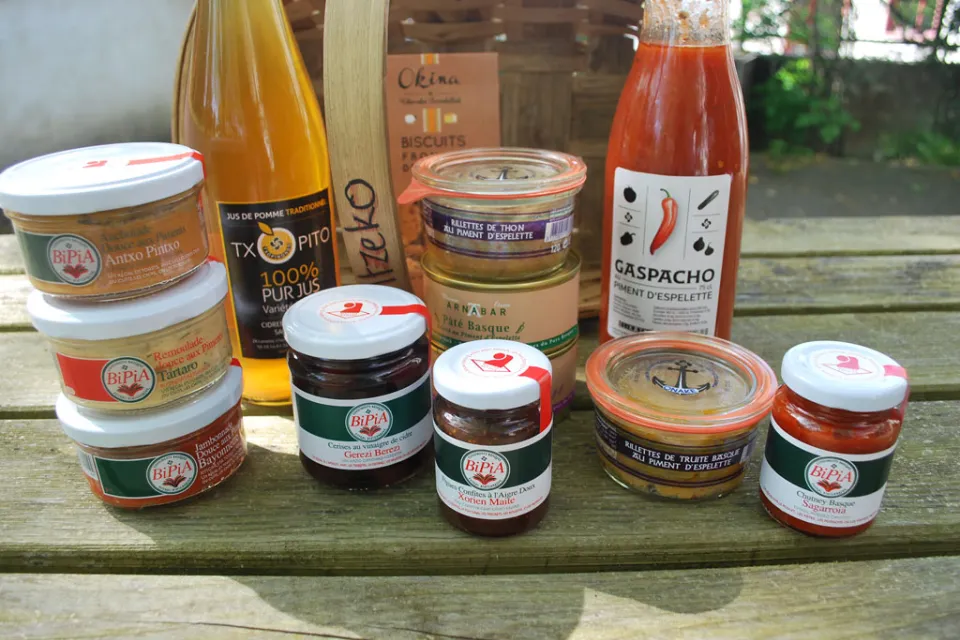
Cannery specializing in the processing of Espelette pepper in the Basque Country
Bipertegia
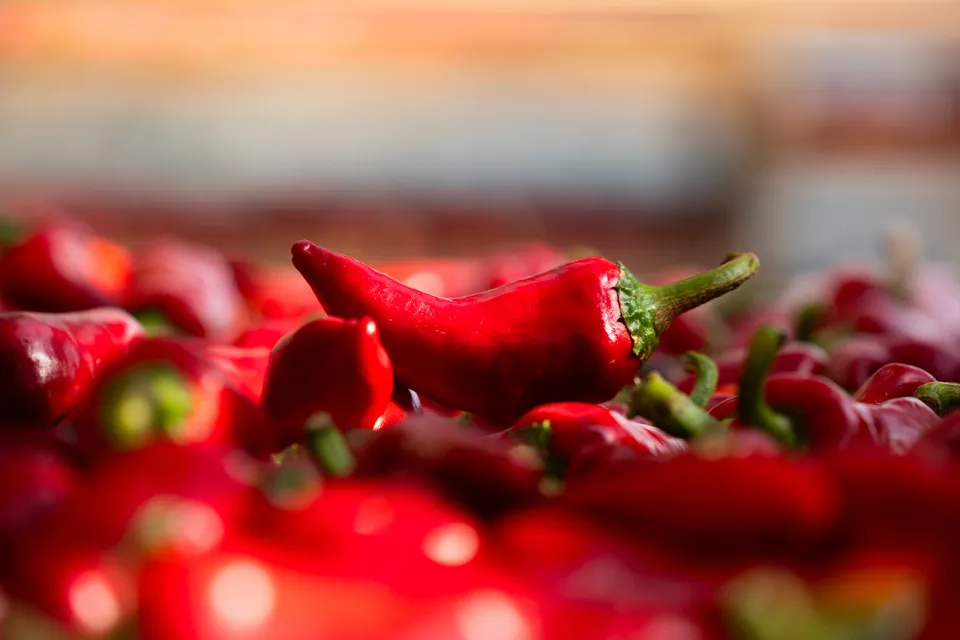
Basque production of Espelette pepper
Xipister Etxekoa
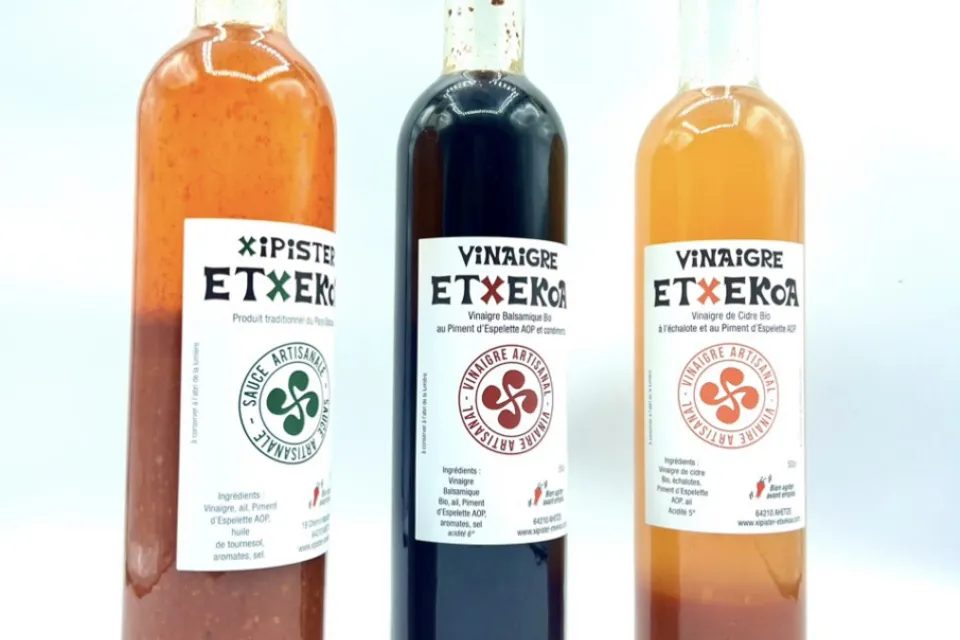
Producer of artisanal sauce in the Basque Country
Basque cheese is made from whole sheep's milk, raw or pasteurized. It bears the Ossau-Iraty appellation, first registered in 1980 and then protected in 1996. A typical product of the Basque Country and Béarn, Ossau-Iraty cheese was voted the best raw milk cheese in the world and the best French cheese in 2011. You can enjoy it as a dairy cheese, a farmhouse cheese (Basque or Béarnais style), or a summer cheese (made at high altitudes during transhumance). The Ossau-Iraty appellation area covers most of the municipalities in the Pyrénées-Atlantiques department (372 municipalities in total) and three municipalities bordering the Hautes-Pyrénées. The cheeses are therefore available everywhere: markets, cheese shops, producers, and supermarkets.
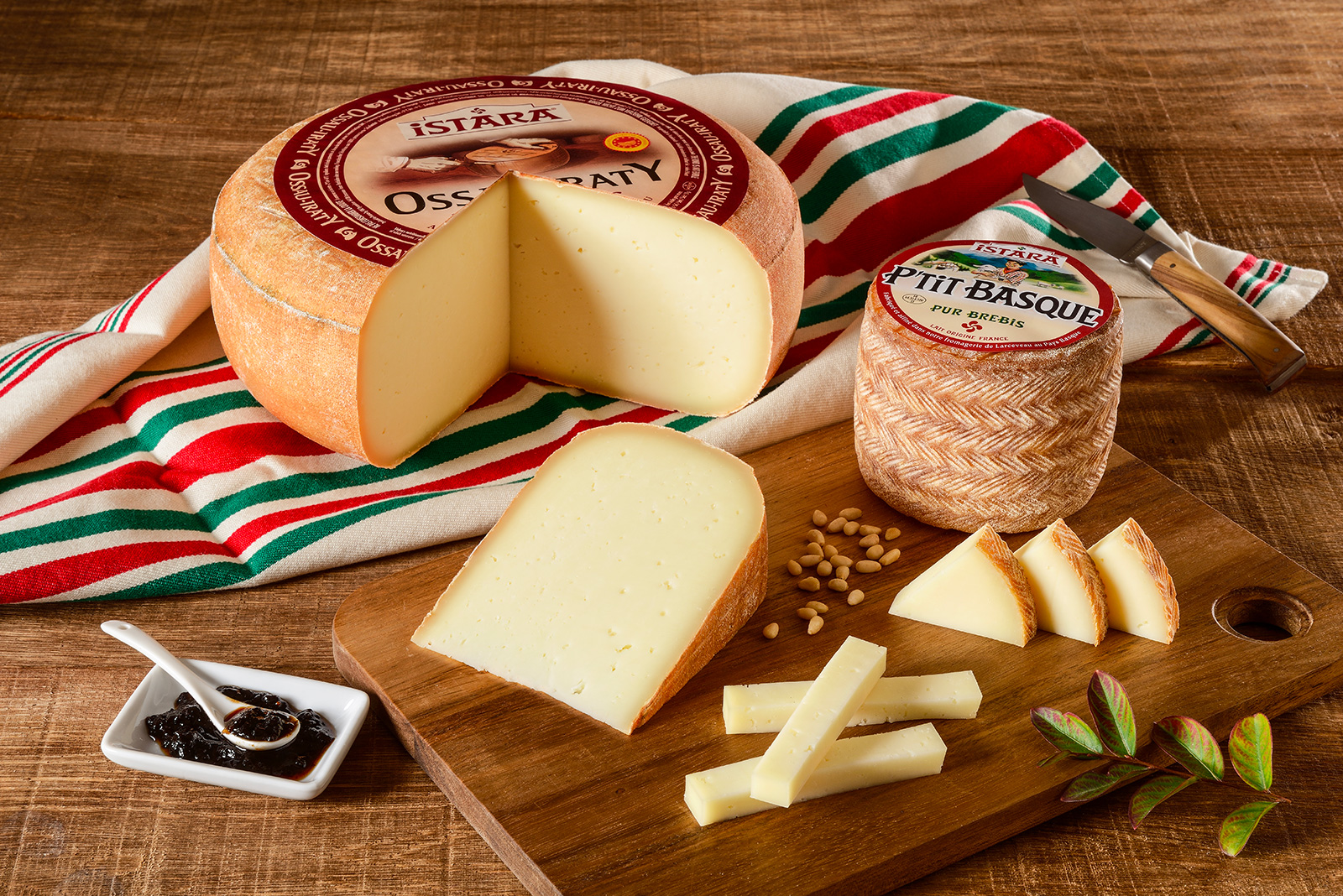
Fromagerie ISTARA
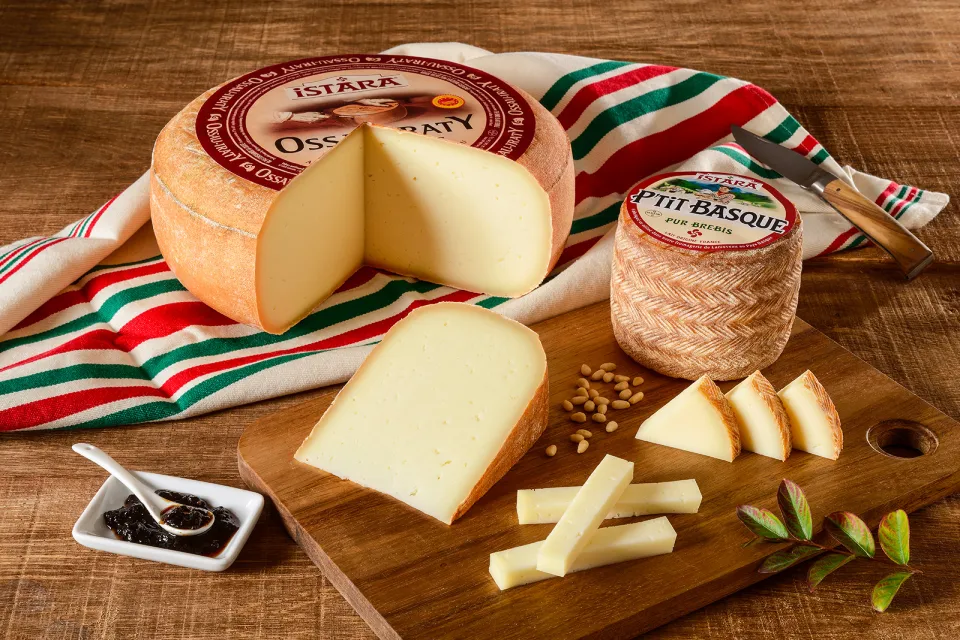
Artisanal cheeses from the Basque Country made with local sheep's milk
ONETIK, the cheese factory of the Basque Country
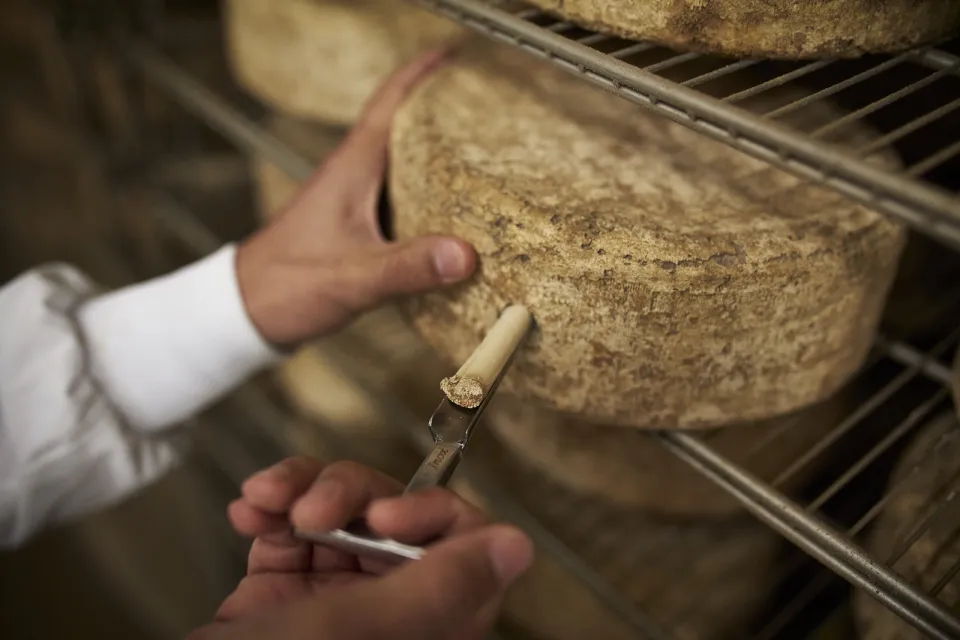
Artisanal Basque cheese from the heart of the Basque Country
Syndicat Fromage AOP Ossau-Iraty
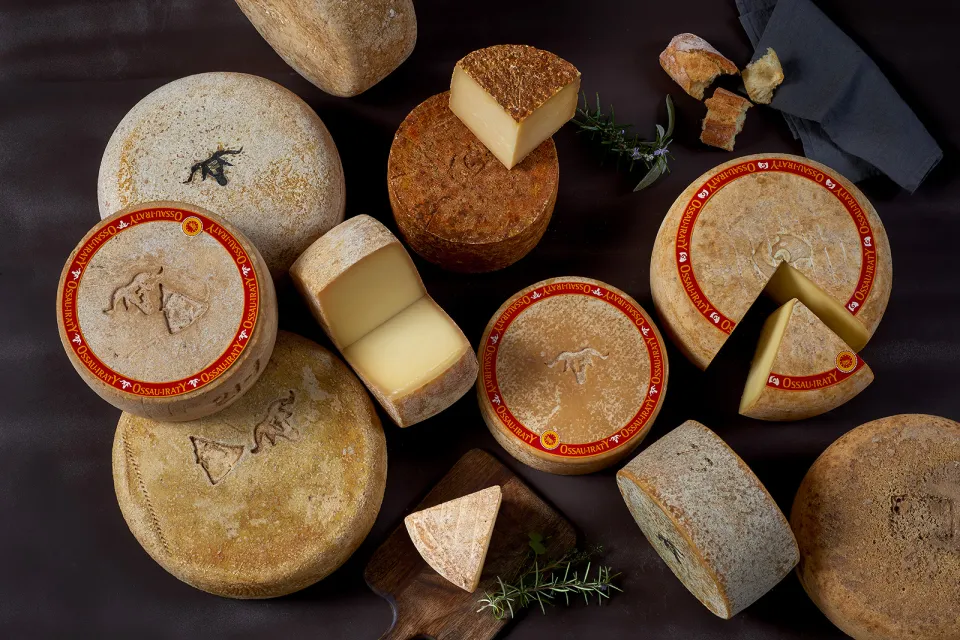
Traditional sheep's cheese from the Basque Country
When it comes to desserts, the Basque cake, made with black cherries or pastry cream and almond flour, is a true delight, the product of ancestral know-how dating back to the 17th century. Another specialty, whose recipe, based on almonds, sugar, and egg whites, also dates back to the 17th century, is the macaron. Delicate and soft, it's hard to resist this sweet treat.
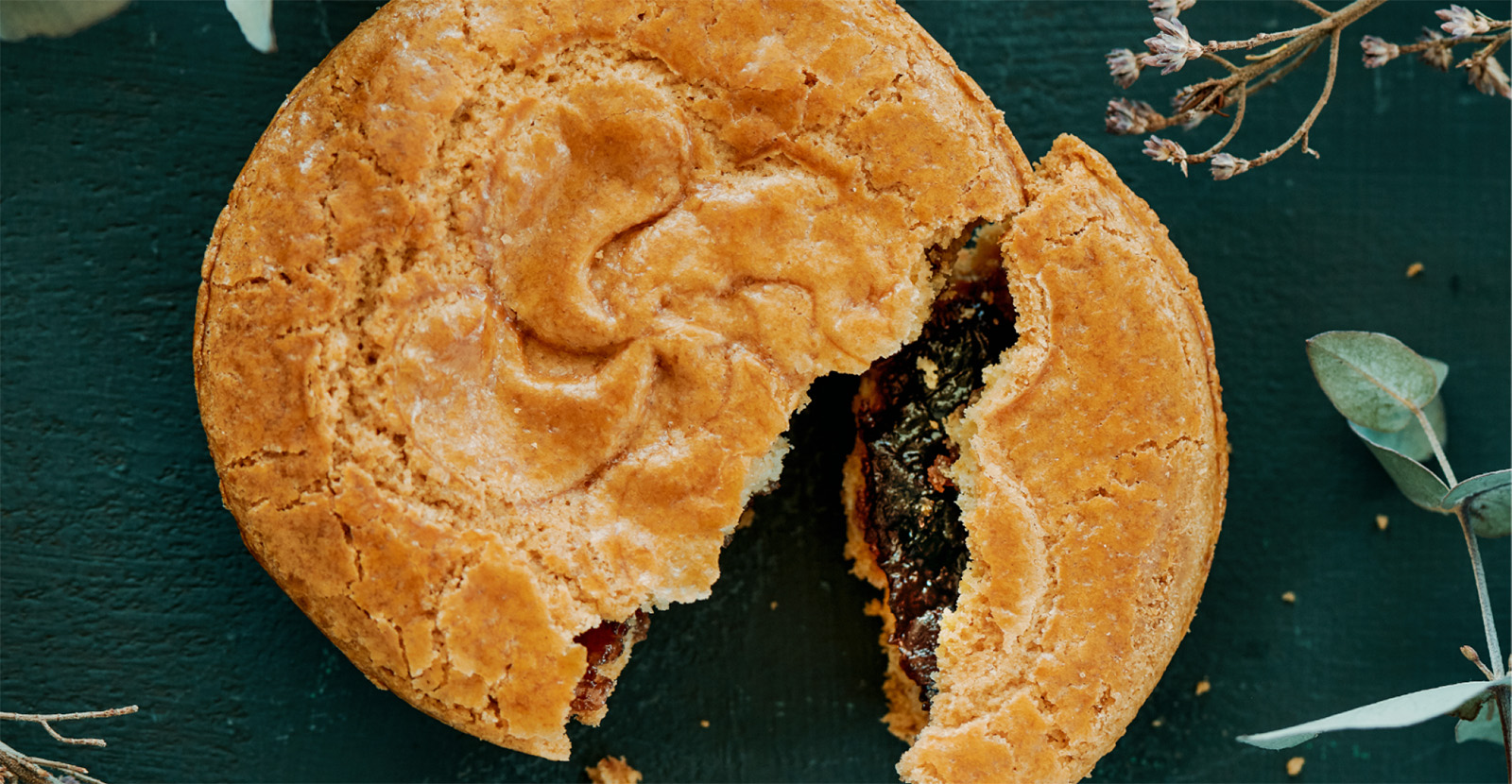
Maison Adam
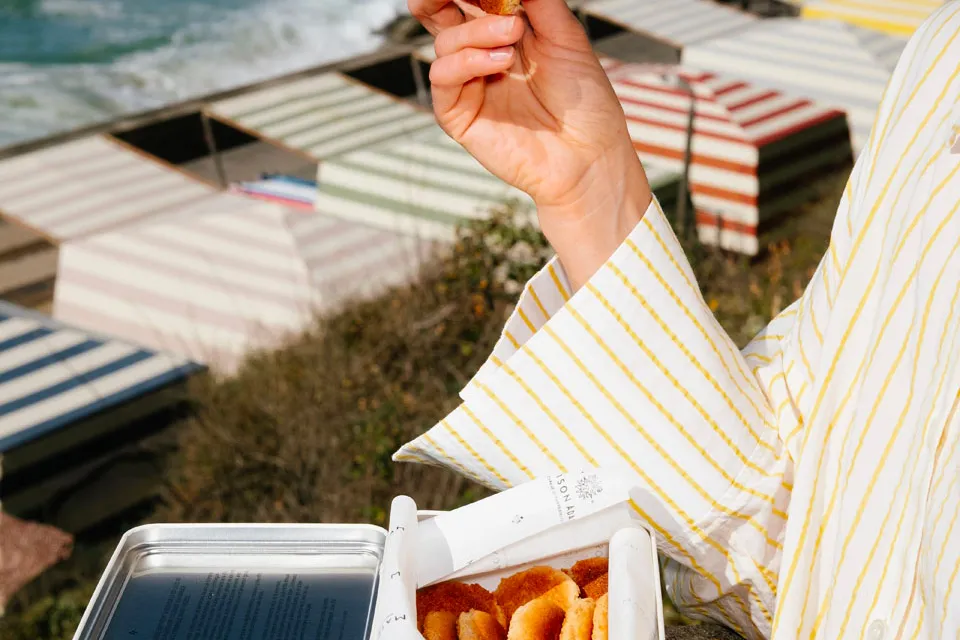
A selection of Basque cakes not to be missed in Saint-Jean-de-Luz
Maison Pariès - Saint Jean de Luz
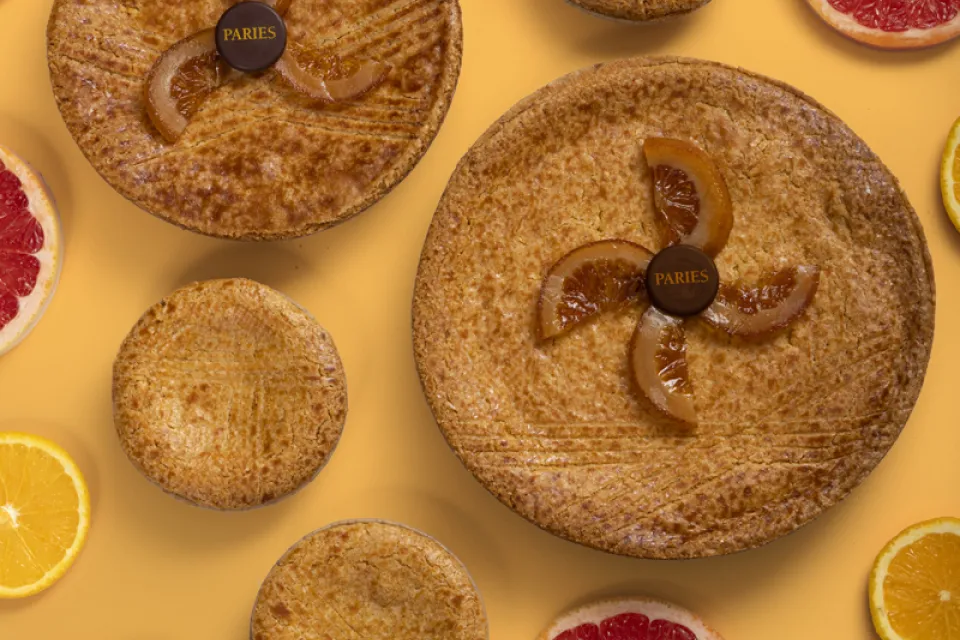
Macarons, Basque cakes and artisanal mouchous in Saint-Jean-de-Luz
Au Fournil de la Licorne
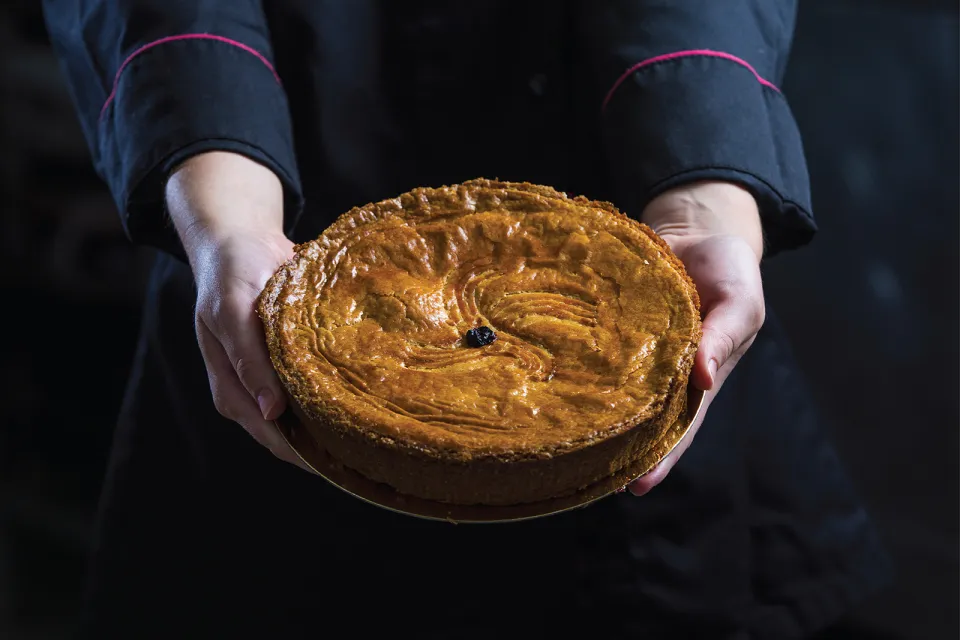
Basque cake and artisanal pastries in Bidart
Chocolate arrived in the Basque Country in the 17th century thanks to Sephardic Jews fleeing the Inquisition, who introduced the secrets of cocoa production to Bayonne.
This city then became the leading chocolate-making center in the Kingdom of France, long before the trend reached the court of Versailles. The Basque style is defined by dark, intense, and spicy chocolate, often enhanced today with a touch of Espelette pepper.
Major institutions like Cazenave and L'Atelier du Chocolat perpetuate this ancestral know-how through unique artisanal recipes. Today, Bayonne proudly claims its title as the historical capital of chocolate, attracting enthusiasts from all over the world.
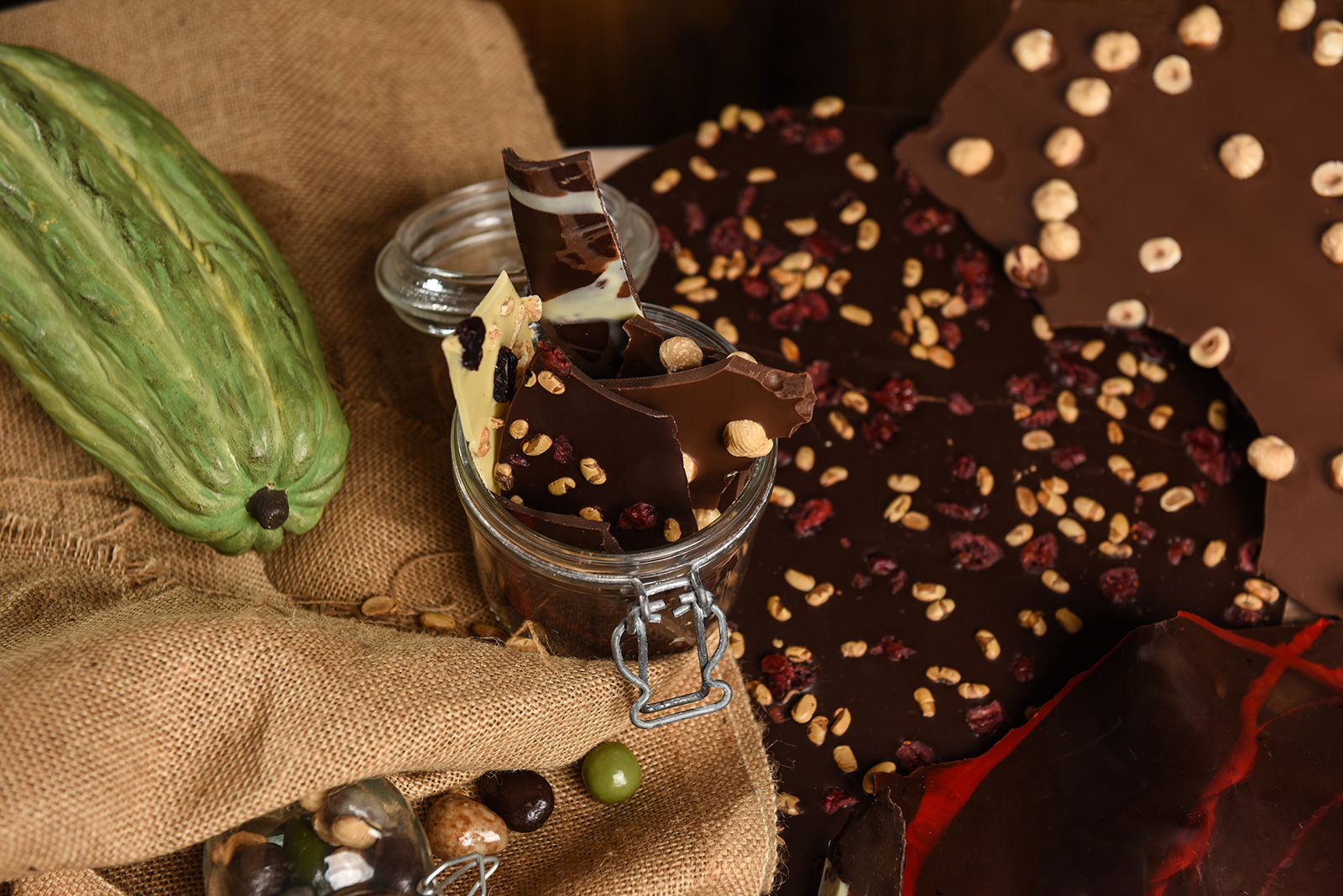
Maison Adam
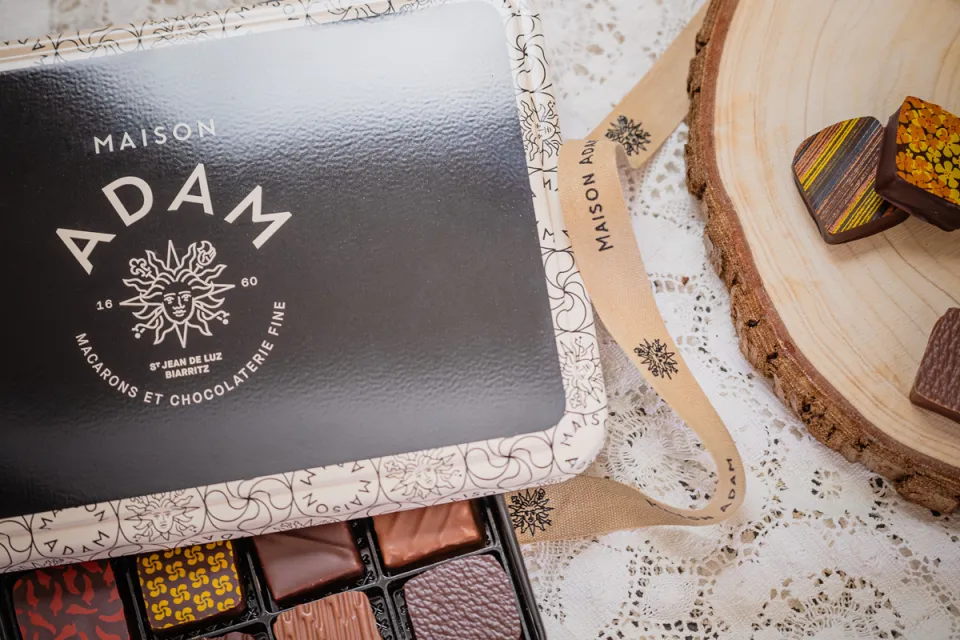
Intense flavors to enjoy in Saint-Jean-de-Luz
Maison Pariès – Bayonne
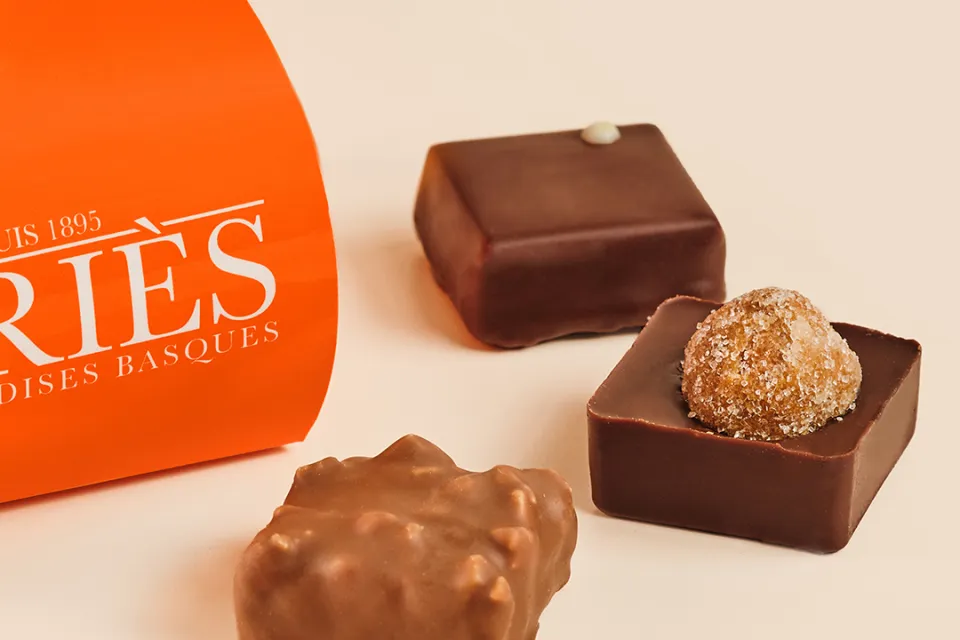
Artisanal chocolate shop in Bayonne since 1895
Chocolaterie Laia
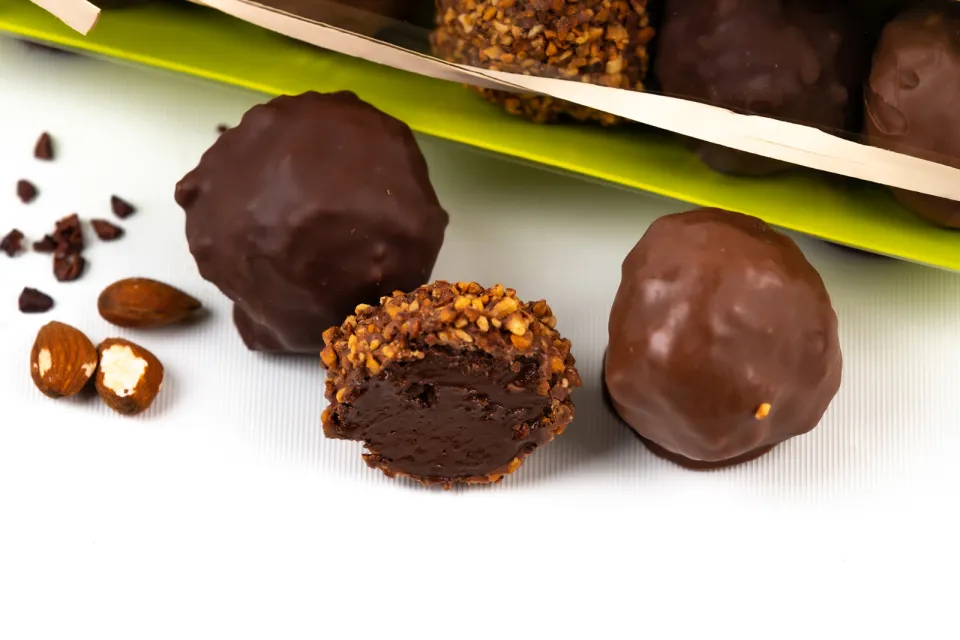
A handcrafted treasure in the heart of the Basque Country
White, red or rosé, the wines of Irouleguy, whose vineyard is located near Mount Arradoy, are very fragrant and structured, they accompany wonderfully all dishes, charcuterie, cheeses and shellfish.
Sagarno (Basque cider) also holds an important place in Basque cuisine. It is enjoyed in cider houses. Sagarno is believed to date back to Roman times.
On the liqueur side, we should mention Izarra, made with Armagnac and plants from the Pyrenees, yellow or green, depending on its alcohol content, and Patxaran, a wild sloe liqueur made with anise.
The Basque Country, a land of plenty nestled between the sea and the mountains, offers a variety of distinctive products, reflecting its unique landscape, which form the basis of delicious recipes enjoyed by all gourmets. Cuisine is a true institution here, an integral part of the region's cultural and culinary heritage.
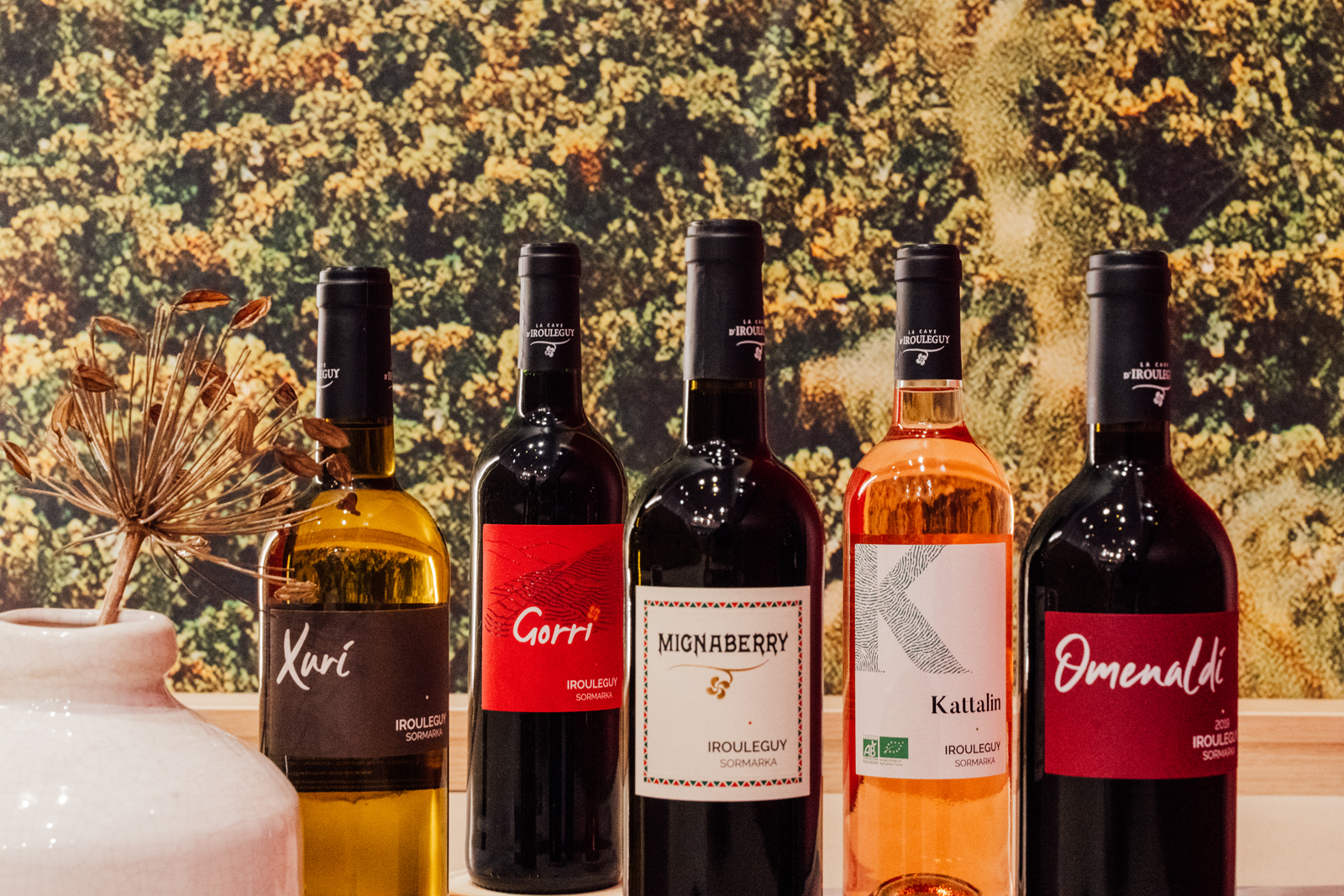
our favourite
Oihana
in Urdax
Top experiences
Discover Biarritz: The top 10 must-see tourist activities